Fred
ReportedSeen: Throughout the house
The Pritchard family's name for the poltergeist they reported from 1966, written up by Colin Wilson in 1981.
Historic site · Stays on set nights only
30 East Drive, Pontefract WF8 2AN
4.2 on Google
30 East Drive is a semi-detached ex-council house in Pontefract, West Yorkshire, where the Pritchard family reported a violent poltergeist they called "Fred", starting in August 1966 and returning in 1968. The case became famous through Colin Wilson's 1981 book Poltergeist! and the 2012 film When the Lights Went Out. Its producer, Bil Bungay, bought the house and opens it for overnight stays, though it's not a hotel and he says he's never spent a night there.

What's documented is that the Pritchards reported these events, that Colin Wilson wrote them up in 1981, and that the house became a film and a paid overnight attraction. The accounts come from the family and their visitors, mostly through Wilson's book; the BBC noted in 2012 that "no first-hand evidence" was available, and the Guardian that an audio tape of banging is all that exists.
The "Black Monk" explanation came later, from a local researcher about ten years after the events. The county history of Pontefract Priory records no monk hanged for murder, so we class it as legend.
What we checked:Documented history × 4Published account × 5Legend × 1Disputed × 2See each claim
Seen: Throughout the house
The Pritchard family's name for the poltergeist they reported from 1966, written up by Colin Wilson in 1981.
Seen: The bedrooms
A tall robed figure, later said to be a monk hanged for murder. The priory's history records no such monk.
In August 1966 Joe and Jean Pritchard moved in to 30 East Drive with their children Phillip, 15, and Diane, 12. While Joe and Jean were away on holiday, Phillip and his grandmother saw fine chalky dust falling in the air and pools of water on the kitchen floor. The activity stopped, then came back two years later, and stayed much longer. The family called the presence "Fred"; according to the owner, the local press dubbed it "Mr Nobody".
The family and visitors described green foam from the taps, plants jumping out of their pots, eggs flying from the kitchen and smashing in the living room, heavy furniture moving and loud banging. When Aunt Maude visited, a pair of her fur gloves is said to have "conducted" the family as they sang Onward Christian Soldiers. A bunch of keys fell down the chimney while Jean was sweeping the flue.
The most famous incident is that Diane was dragged up the stairs, leaving finger marks on her throat; the BBC says "by her neck". Pat Holden, the family's relative who made the film, told the BBC "there was never really any physical harm done", and that Jean was more annoyed than scared.
A tall, robed figure is said to have been seen in the house, once over Jean's bed. About ten years later a local researcher suggested it was a Cluniac monk from Pontefract Priory, hanged in Henry VIII's time for the rape and murder of a girl, on gallows where the house now stands. There's no record of such a monk, and even sympathetic writers say the house "may, or may not" be near a gallows site.
The owner's website lists visitors' reports: a water jug filling itself, a blue light in the corridor, a tall shadow walking from the kitchen through the wall, and the bed in the small room "trashed" in the night. A documentary researcher said she was pinned to the bed in the small room.
30 East Drive is a semi-detached house on the Chequerfield estate, built as council housing in the 1950s, according to its owner. Nearby Monkhill takes its name from Pontefract Priory, a Cluniac monastery founded around 1090 and surrendered to Henry VIII in 1539.
The Pritchard case was little known outside Pontefract until the writer Colin Wilson investigated it for his book Poltergeist! A Study in Destructive Haunting (1981). In 2012 Pat Holden, a relative of the family, wrote and directed When the Lights Went Out, a film loosely based on the case and set in 1974, produced by Bil Bungay.
Bungay bought the house around the time the film came out. The Pritchards had taken their furniture with them, so he dressed it in 1970s style with pieces from local charity shops. It opens for paid overnight stays, run with the help of a neighbour who holds the keys. Bungay says he has never spent a night there himself, and advises people not to visit.
23 November 1539
Pontefract Priory is surrendered
August 1966
The Pritchards move in and the activity begins
1968
The poltergeist returns
1981
Colin Wilson's book makes the case famous
2012
Bil Bungay buys the house
September 2012
When the Lights Went Out is released
What each story about 30 East Drive rests on. A published account shows that someone reported an experience, not what caused it.
Pontefract Priory, a Cluniac house, was founded around 1090 and surrendered to Henry VIII in 1539.
Joe and Jean Pritchard moved in with Phillip, 15, and Diane, 12, in August 1966, and strange events began soon after.
The family's account, through Colin Wilson and the press.
The activity stopped, then returned two years later for a much longer spell.
The family reported falling dust, pools of water, green foam from the taps, flying eggs and moving furniture, and called the presence Fred.
The Guardian notes that an audio tape of banging is the only recording.
Diane was dragged up the stairs and left with finger marks on her throat.
The BBC says by her neck; a blog says by her hair. Pat Holden said there was never really any physical harm done.
Aunt Maude's fur gloves "conducted" the family as they sang Onward Christian Soldiers.
From Wilson's book, as retold by the BBC.
The presence was the ghost of a monk hanged in Henry VIII's time for murder, on gallows where the house stands.
Suggested by a local researcher about ten years later. The priory's history records no such monk.
Pat Holden, a relative of the family, made When the Lights Went Out (2012), loosely based on the case.
The film's producer, Bil Bungay, bought the house and opens it for overnight stays.
The purchase date and price aren't confirmed.
The house's interior is original 1960s or 1970s decor.
The owner says the Pritchards took their furniture and he bought charity-shop pieces.
[10] (disagrees)
30 East Drive is said to be haunted by Fred and the Black Monk. Reported activity includes apparition, visual, objects moving, auditory, temperature, physical contact, photographic anomaly, child spirit, atmospheric, poltergeist, evp, shadow figure, demonic, physical marks, footsteps, nausea, levitation, dizziness, electronic interference, door activity, being watched, orbs, sleep disturbance, phantom smells, choking sensation, invisible presence, cold spots, aggressive entity, phantom sounds.
The most reported areas are: The small bedroom (Diane's room), the stairs and the living room.
Yes, overnight only, from 6pm to midday. It isn't a hotel: you bring your own bedding, sign a waiver and can't drink alcohol. Book through the house's website.
In September 2026 the official site listed £450 a night on Friday to Sunday and bank holidays, and £350 Monday to Thursday, for up to four people. Check the website for current prices.
From 1966 the Pritchard family reported a violent poltergeist they called Fred: falling dust, pools of water, flying eggs and furniture, and their daughter Diane being dragged up the stairs. The case was written up by Colin Wilson in 1981.
A robed figure said to have been seen in the house, later explained as a monk hanged for murder in Henry VIII's time. There's no record of such a monk.
Loosely. The 2012 film was written and directed by Pat Holden, a relative of the Pritchards, and set in 1974.
Trrex
July 2026
So me and my freinds start to plan a sleepover so the funny freind saw this house so he rent it then on the first night the i heared the wing rustling from the dark empty room we did not use we thought the previous owner opened it and behind me something got dropped and a shadow want past it so my freind and me bolted out of the house and never come back. *tip* also someone used to live here an died that why it hunted that all I know bye
feelingPage last reviewed 12 November 2026.
Check room prices and availability for your dates.
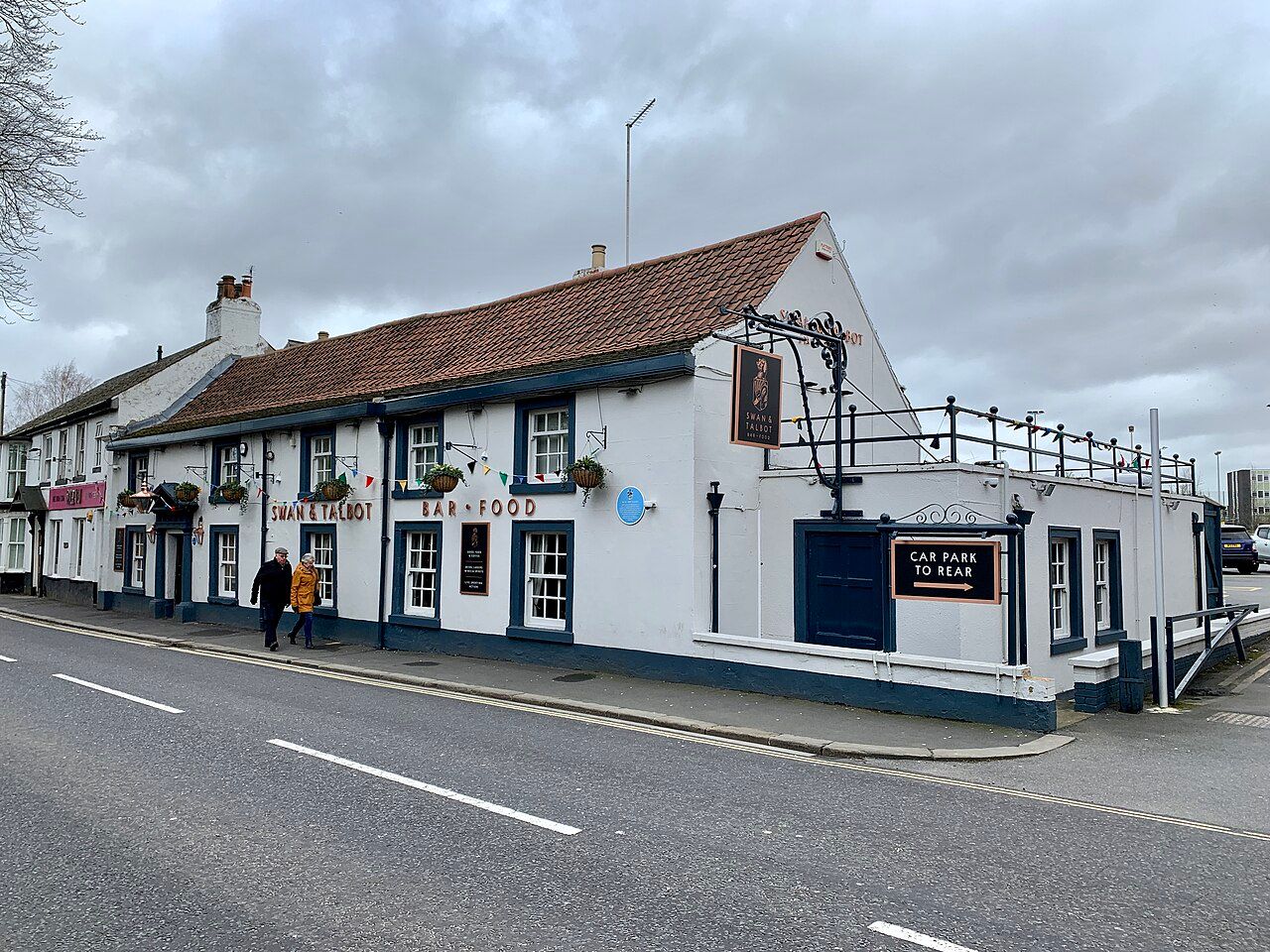
A Grade II listed coaching inn on North Street in Wetherby, once a posting house on the Great North Road. Local legend says two boys haunt its first floor.
Check prices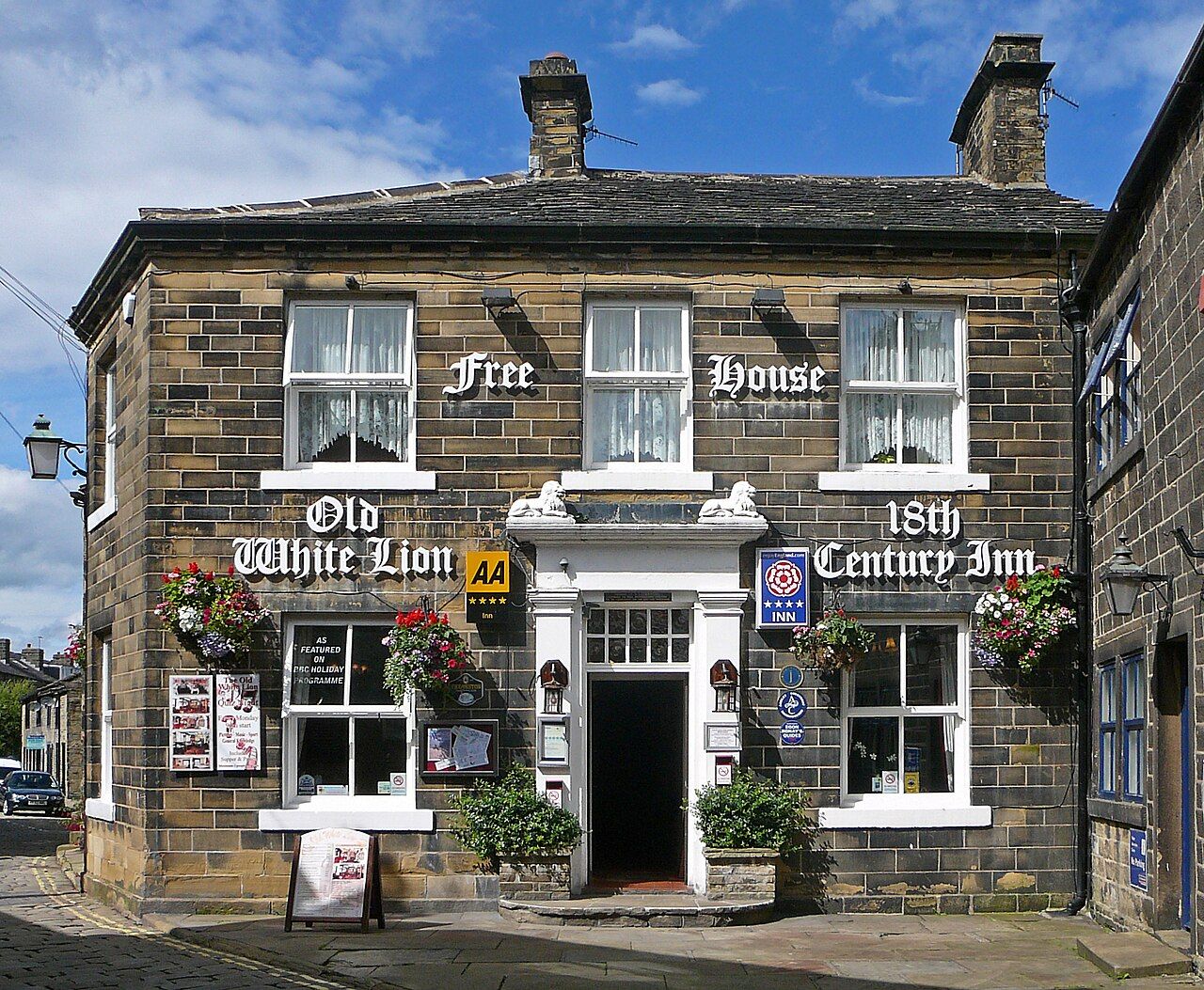
A family-run inn at the top of Haworth's cobbled Main Street, near the Brontë Parsonage. Its ghost is said to be Lily Cove, a young parachutist who died at the Haworth Gala in 1906 and was laid out at the inn.
Check prices
A grand Victorian railway hotel beside Forster Square station in Bradford. The actor Sir Henry Irving collapsed and died here in October 1905, and his ghost is said to walk its corridors.
Check prices