Maud
LegendSeen: Rooms and corridors
Said to be a Dobbin wife killed with her lover by her husband. She is said to stroke the faces of sleeping guests. No date or witnesses.
Hotel · Visit only, no rooms
6-8 High Street, Carrickfergus
Dobbins Inn on High Street, Carrickfergus, is a listed building with a medieval tower house at its core, shown on a map of 1567 as the home of Stephen Dobbin. Its best-known ghost is Maud, said to be a Dobbin wife killed with her soldier lover, who strokes the faces of sleeping guests. The story comes from ghost sites and the hotel's own history, with no named witnesses. The Fallis family, owners since 1978, closed the hotel on 21 September 2026, so you can't stay at present.
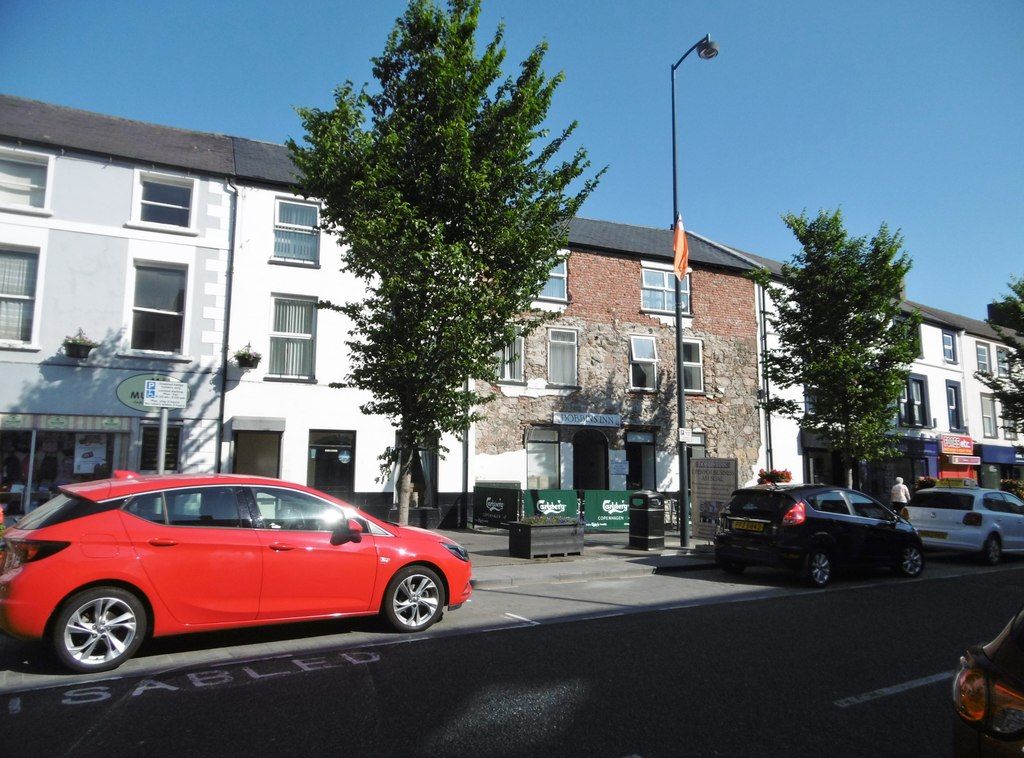
The building's history is better documented than most. It's listed at Grade B2, a tower house on the site appears on a map of 1567, and a 2018 investigation found that much of a medieval urban tower house survives in its ground and first floors. The hotel's story of a knight building it in the early 1200s isn't backed by the listing or the investigation.
The ghost isn't documented. The tale of Hugh Dobbin killing his wife and her lover has no date, record or source behind it, and a local history site points out that the tunnel to the castle in the story is almost certainly impossible. The reported experiences, a face being stroked, a dark shape by the fireplace and a coin thrown at a worker, come with no names.
What we checked:Documented history × 5Published account × 1Legend × 1Disputed × 3See each claim
Seen: Rooms and corridors
Said to be a Dobbin wife killed with her lover by her husband. She is said to stroke the faces of sleeping guests. No date or witnesses.
Seen: The inn and Carrickfergus Castle
The soldier lover in the Maud story. The name may come from a separate castle legend.
Seen: Reception
Guests are said to have seen a dark mass move from reception towards the old fireplace. No witnesses are named.
The best-known story says that a Dobbin wife, called Elizabeth in some versions, had an affair with a soldier from Carrickfergus Castle, and that her husband, Hugh Dobbin, killed them both with his sword. Her ghost, called Maud (Maude on the hotel's own site), is said to walk the rooms and corridors and gently stroke the faces of guests while they sleep. No version gives a firm date, and none names a witness.
The soldier is sometimes called Buttoncap, and the hotel says his spirit roams the inn and the castle. A Carrickfergus history site thinks the name may have been borrowed from a separate castle story by mistake.
The lovers are said to have met through a passage behind the old stone fireplace in what is now reception, and guests have reported a dark shape moving from reception towards the fireplace. The hotel also tells of a tunnel used in 1798. A local history site says there's no evidence a tunnel ever existed.
Haunted Rooms reports that a worker was hit by a coin at the end of a busy shift, then turned round to find the room empty. The worker isn't named.
Carrickfergus once had several tower houses along its High Street. Dobbins Inn incorporates one of them: the listing says it was occupied in 1567 by Stephen Dobbin, as shown on a map of that year. An investigation in 2018, funded by the owners and the Carrickfergus Townscape Heritage Initiative, found that a medieval urban tower house survives in the ground and first floors. It was lowered and extended as a house in the 1700s, and the second floor and roof probably date from the 1800s. The hotel says tree-ring dating puts parts of the building at around 1530.
The hotel says a knight, Reginald D'Aubin, built a tower house here in the early 1200s and that the Dobbin family held it for centuries. The listing and the 2018 investigation don't support a date that early.
In 1860 the building was recorded as a constabulary house, and the Royal Ulster Constabulary still used it in 1923. The hotel says the Mabbutt family turned it to a hotel in 1946; the listing says around 1950. The Fallis family took over in 1978. A two-year restoration, with Heritage Lottery and council funding, was finished in December 2019.
The hotel announced on its website that it would close after almost 50 years, with its last day on 21 September 2026. It gave no reason.
1567
Stephen Dobbin's tower house is mapped
1860
Recorded as a police house
June 2018
Tower house investigated
16 December 2019
Restoration finished
21 September 2026
Hotel closes
What each story about the Dobbins Inn Hotel rests on. A published account shows that someone reported an experience, not what caused it.
The hotel is listed at Grade B2 and incorporates a 16th-century tower house occupied by Stephen Dobbin in 1567.
A knight, Reginald D'Aubin, built a tower house here in the early 1200s.
The hotel's claim. The listing calls the tower house 16th century, and the 2018 investigation suggests it may date from the 1300s at the earliest.
A medieval urban tower house survives in the ground and first floors; it was lowered and extended as a house in the 1700s.
The building was a constabulary house in 1860 and was still used by the Royal Ulster Constabulary in 1923.
The building became a hotel in 1946.
The hotel gives 1946; the listing says around 1950.
The Fallis family ran the hotel from 1978, and a two-year restoration was finished in December 2019.
Hugh Dobbin killed his wife and her soldier lover, and her ghost, Maud, strokes the faces of sleeping guests.
No date, record or named witness. A local history site found nothing to support the 1603 date some versions give.
A tunnel runs from the inn, used by the lovers and in 1798.
There's no evidence of a tunnel, and the castle stands on basalt.
The Dobbins Inn Hotel is said to be haunted by Maud, Buttoncap and the dark shape by the fireplace. Reported activity includes apparition, objects moving, physical contact, shadow figure.
It's known for the ghost of Maud, said to stroke the faces of sleeping guests. The story has no date, record or named witness behind it.
Not at present. The hotel announced it would close after almost 50 years, with its last day on 21 September 2026.
A medieval tower house survives at its core, and one is shown on the site on a map of 1567. The hotel's claim of the early 1200s isn't supported by the listing.
The legend says so, but there's no evidence for one, and a local history site says the castle's rock makes it almost impossible.
No guest accounts yet. If you've stayed here, yours could be the first.
Share your experiencePage last reviewed 17 November 2026.
You can’t stay here, but you can stay nearby: check places to stay for your dates.

Guests experienced footsteps coming from within their room (not from adjacent rooms), wild temperature fluctuations despite the thermostat being turned off, and a laptop falling off a table in the middle of the night with no explanation.
Check prices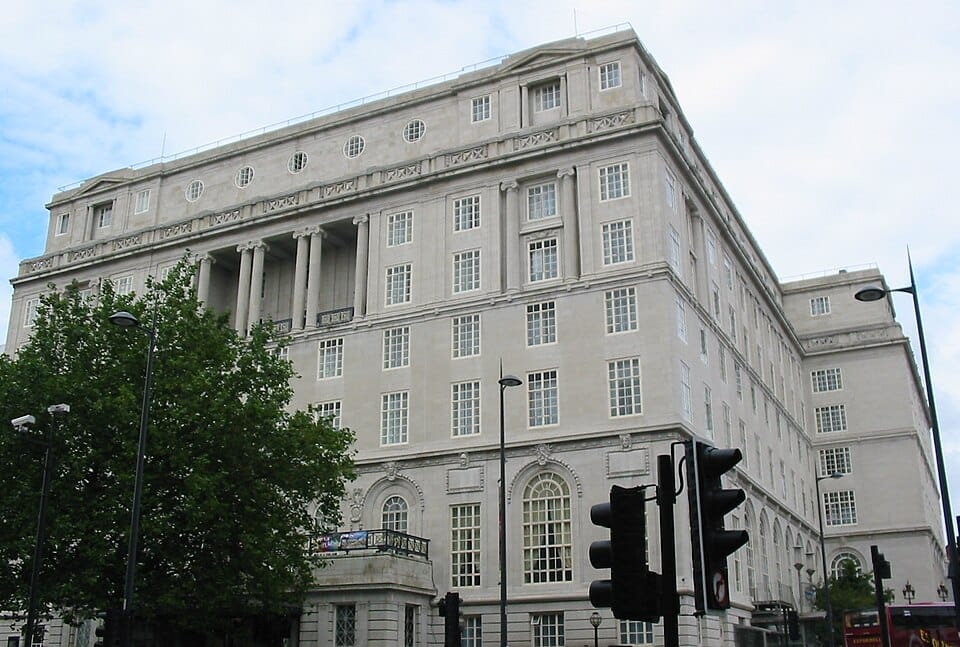
The Britannia Adelphi in Liverpool city centre is often called the most haunted hotel in the UK. Staff and guests report a pageboy who died in the lift, a grey lady in the basement and unsettling activity on the third floor.
Check prices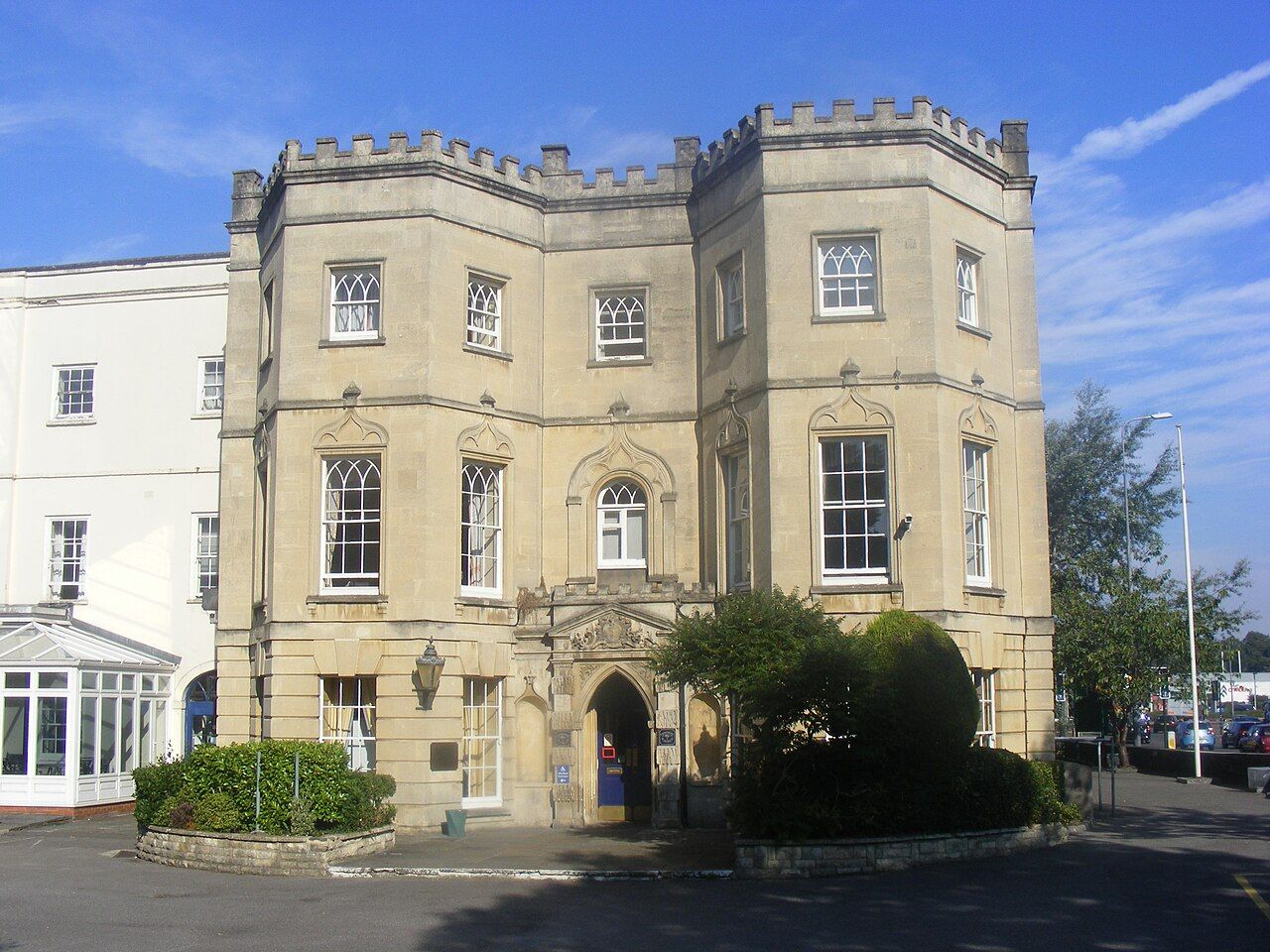
A Georgian Gothick mansion on the Bath Road in Bristol, built for a Quaker copper smelter and later a convent for nearly a century. Its legend is a nun walled up after taking her own life.
Check prices