The white lady
ReportedSeen: The house, at night
Said to be seen regularly by night porters, who aren't named. Her identity is unknown.
Country house or manor · You can stay here
Eastwell Park, Boughton Lees, Ashford
Eastwell Manor, near Boughton Lees in Kent, is a Champneys spa hotel in a Neo-Elizabethan house rebuilt in 1926-28 on a much older estate. Prince Alfred, Duke of Edinburgh, lived here from 1874 to 1893. The ghost website Haunted Rooms says a white lady is seen regularly by night porters, that a housekeeper left after a fright on a night shift, and that a horseman rides towards the house and vanishes by the lake. None of the witnesses is named. You can stay.
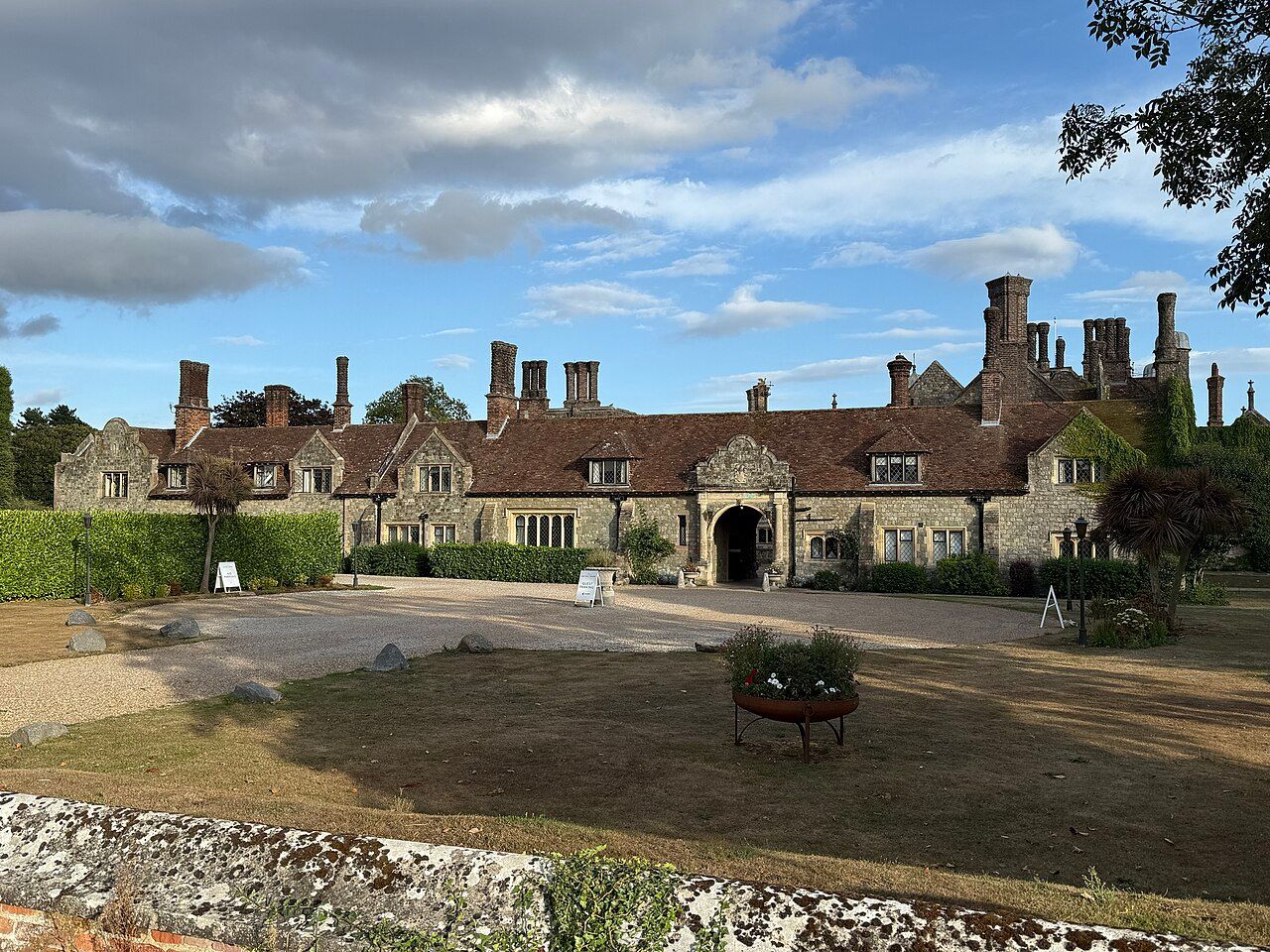
The estate's history is well recorded. Historic England lists the house at Grade II and dates it to 1843, rebuilt in 1926-28, and the royal years and the Richard Plantagenet burial in 1550 are documented.
The ghosts are not. The white lady and the horseman come from one ghost website, which names no porter, no housekeeper and no date, and doesn't say who the white lady was. Other pages that add names and dates appear to be auto-generated and cite nothing. The same ghost website also says Richard of Eastwell built the 16th-century house, which the records don't support.
What we checked:Documented history × 5Published account × 1Legend × 1Disputed × 1Unverified × 1See each claim
Seen: The house, at night
Said to be seen regularly by night porters, who aren't named. Her identity is unknown.
Seen: The approach to the house and the lake
A rider said to head for the house, then veer off and vanish in the lake.
The hotel's best-known ghost is a white lady, said to be seen regularly by porters on the night shift. Strange noises and objects that move are blamed on her. Nobody knows who she was, and the source doesn't suggest a name.
A housekeeper is said to have left the hotel for good after something frightened her during a night shift. She isn't named and no date is given.
A horseman is said to ride towards the house, then veer away and vanish in the lake. No witness or date goes with the story, and it isn't linked to any person in the estate's history.
The manor of Eastwell is in the Domesday Book. Sir Thomas Moyle bought the estate after 1537 and built a house here between 1540 and 1550. A reclusive bricklayer working for him, said to be an illegitimate son of Richard III, lived in a cottage on the estate. The parish register records the burial of "Rychard Plantagenet" on 22 December 1550, in a copy made in 1598. His story was first published by Francis Peck in the 1730s.
The Finch-Hatton family, Earls of Winchilsea, rebuilt and enlarged the house over two centuries: Joseph Bonomi designed a new house in 1793-99, and William Burn added a wing in 1843 and the gatehouse, Eastwell Towers, in 1848. Money troubles led to the house being let, first to the Duke of Abercorn.
From 1874 to 1893 Prince Alfred, Duke of Edinburgh, Queen Victoria's son, lived here with his wife, Grand Duchess Maria Alexandrovna. The Queen visited often and was photographed skating on the lake. The family left when Alfred inherited the duchy of Saxe-Coburg and Gotha.
Sir John Pennefather bought the estate in 1924, pulled down the old house and had a Neo-Elizabethan one built in 1926-28, reusing materials from the old house. Historic England lists it at Grade II, with two 16th-century gateways in the courtyards. Champneys bought the hotel in 2016, when it had 62 bedrooms, and runs it as a spa hotel.
1540
Moyle builds Eastwell Place
22 December 1550
Richard Plantagenet buried
1874
The Duke of Edinburgh moves in
1926
The present house is built
1 November 2016
Champneys takes over
What each story about Eastwell Manor rests on. A published account shows that someone reported an experience, not what caused it.
Sir Thomas Moyle built a house at Eastwell between 1540 and 1550.
Richard of Eastwell, said to be Richard III's son, built the 16th-century house.
The house was Sir Thomas Moyle's; Richard was a bricklayer working on the estate.
A man recorded as Rychard Plantagenet, said to be an illegitimate son of Richard III, was buried at Eastwell.
The burial is recorded; his royal parentage rests on a story first published in the 1730s.
The present house was built in 1926-28, reusing materials from the old one, and is Grade II listed.
A white lady is seen regularly by night porters, and noises and moved objects are blamed on her.
One ghost website; the porters aren't named and no dates are given.
A phantom horseman rides towards the house, then veers off and vanishes in the lake.
No witness or date.
A ghost website says night porters regularly see a white lady and that a horseman vanishes by the lake. No witness is named.
Nobody knows. The source gives no name, and the names offered on other websites have nothing behind them.
A bricklayer recorded as Rychard Plantagenet, said to be Richard III's son, was buried at Eastwell in 1550. He worked for Sir Thomas Moyle; he didn't build the house, and no ghost story is tied to him in the sources we checked.
Yes. It's a Champneys spa hotel with rooms in the manor and the mews.
No guest accounts yet. If you've stayed here, yours could be the first.
Share your experiencePage last reviewed 17 November 2026.
Check room prices and availability for your dates.
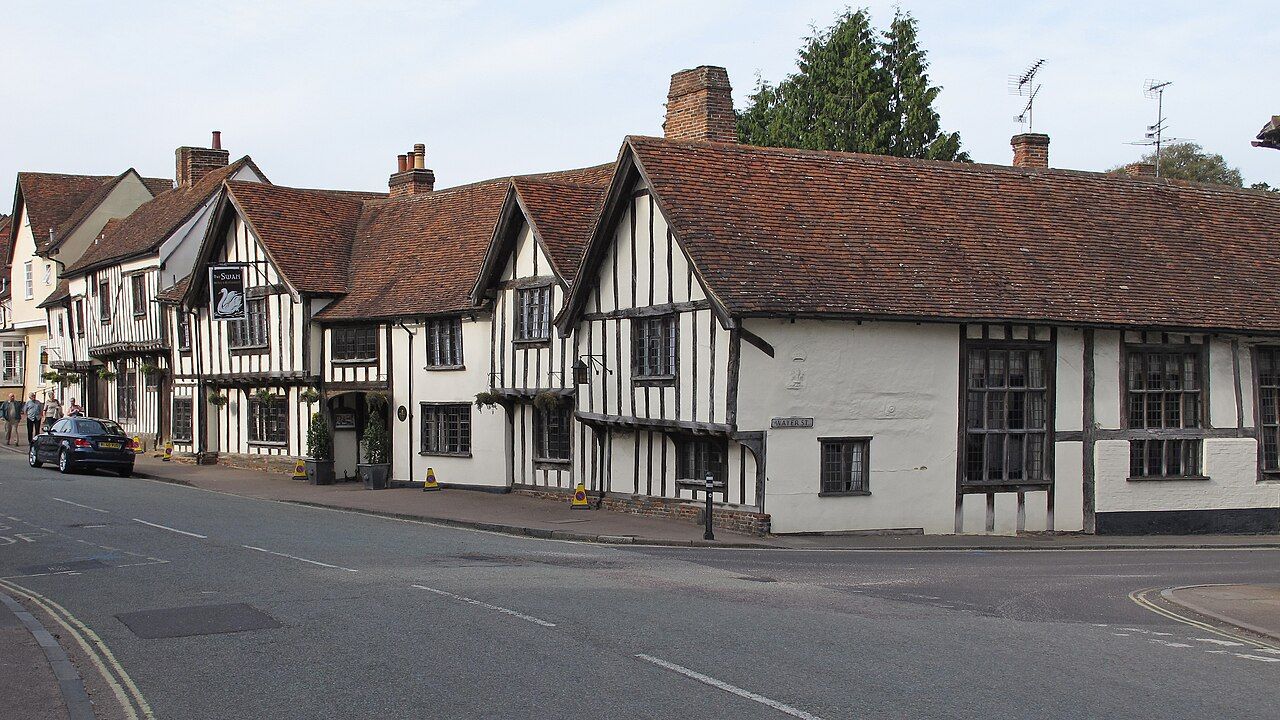
A cluster of medieval timber-framed houses in Lavenham, Suffolk, joined with a Grade I guild hall to make one hotel. American airmen signed the walls of its bar in the Second World War, and Room 15 has a ghost story.
Check prices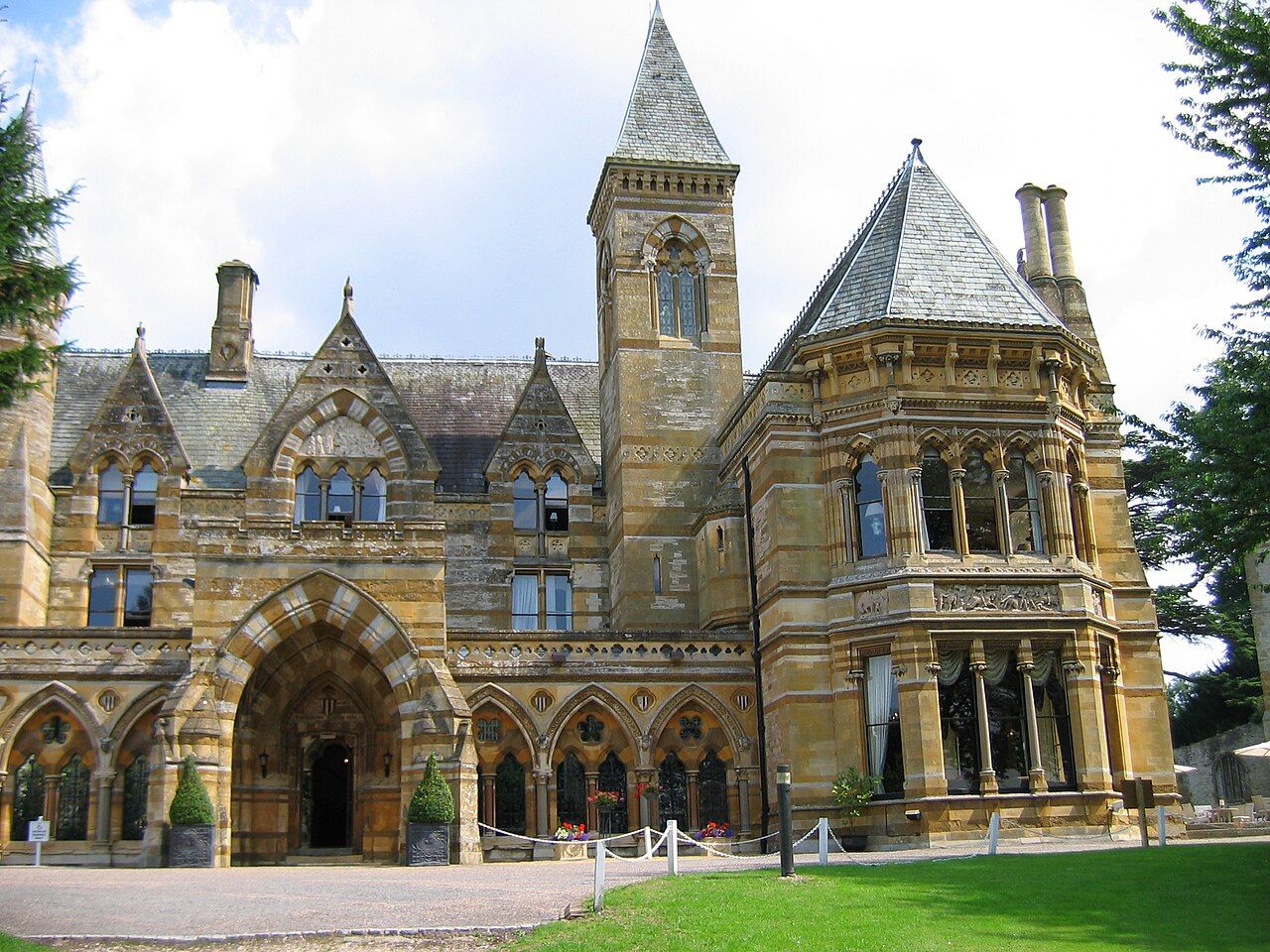
A Gothic Revival mansion six miles from Stratford-upon-Avon whose exterior played Hill House in The Haunting (1963). Now a Hand Picked hotel, it's said to be one of England's most haunted.
Check prices
Guests experienced footsteps coming from within their room (not from adjacent rooms), wild temperature fluctuations despite the thermostat being turned off, and a laptop falling off a table in the middle of the night with no explanation.
Check prices