Browne Bushell
LegendSeen: The staircase and upper rooms
The former owner, executed in 1651, said to be heard walking the stairs and occasionally seen. No named witnesses.
Hotel · You can stay here
1 Bagdale, Whitby
Bagdale Hall is a Grade II* listed early 16th-century house in Whitby, now a small hotel. It was the home of Browne Bushell, a naval officer who changed sides in the Civil War and was executed as a traitor in 1651. Ghost websites such as Mysterious Britain and Haunted Rooms say he is heard, and sometimes seen, on the staircase, and they add a crying child and poltergeist activity. No witness is named. You can stay: the hotel takes bookings.
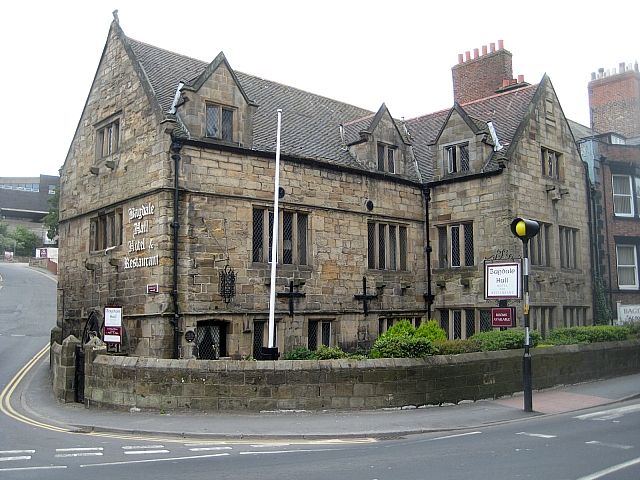
The history is solid. Historic England lists the hall at Grade II* as early 16th century and records it as the home of Browne Bushell, who served Parliament, then the King, and was executed as a traitor in 1651. Ghost sites usually say he was executed for piracy, which the records don't support.
The ghost stories rest on ghost websites and one anonymous guest comment, with no names or dates. Wikipedia says the house already had a haunted reputation in the 1700s, but we couldn't check the source behind that. The hotel's own website doesn't mention a ghost.
What we checked:Documented history × 3Published account × 1Legend × 3Disputed × 1Unverified × 1See each claim
Seen: The staircase and upper rooms
The former owner, executed in 1651, said to be heard walking the stairs and occasionally seen. No named witnesses.
Seen: Empty rooms
A child heard crying, or children heard playing just after midnight, in rooms with nobody in them.
Seen: A bedroom off the landing
An anonymous guest wrote in 2013 of footsteps, a door opening and a man pushing against them in bed.
The best-known ghost is said to be Browne Bushell, who lived here and was executed in 1651. Ghost sites say he is more often heard than seen, walking up and down the staircase, and that guests hear footsteps on the stairs when no one is there. One local blog says he is seen in the upper rooms and returns on the anniversary of his execution. None of these accounts names a witness.
Haunted Rooms says a small child has been heard crying in an empty room, and the Paranormal Database says children have been heard playing just after midnight in empty rooms.
Mysterious Britain and Haunted Rooms both mention poltergeist activity. Haunted Rooms adds a shape gliding on the stairs, lights switching on in an empty room and whispering heard by cleaners.
In 2013 a commenter on Mysterious Britain said they had stayed the year before, heard footsteps on the landing, saw the door open, and then felt a man pushing against them in bed and breathing heavily. The commenter is not named.
Bagdale Hall stands on Bagdale, just back from Whitby's harbour. Historic England, which listed it at Grade II* in 1954, dates it to the early 16th century, and it's often given the date 1516. The hotel says it was built for the Conyers family, and Wikipedia names James Conyers as its first resident. It's one of the oldest buildings in Whitby.
The Bushell family bought the house around the end of the 16th century. Browne Bushell, born in 1609, was a naval officer who fought for Parliament and then changed sides to the King. He was executed as a traitor in March 1651. A Whitby Civic Society blue plaque marks the house where he lived.
In the 19th century the house was divided up and let. It was heavily restored in 1883, and later used partly as a school. Percy Shaw Jeffrey bought it in 1914 and restored it further. A carved panel said to come from Venice, and mentioned by Ruskin, is set in one of the walls.
The hall became a hotel in the 20th century and has spread to neighbouring houses on Bagdale. The hotel's website now describes Bagdale Hall alongside Crab Hall and Lobster Hall nearby.
1516
Bagdale Hall is built
29 March 1651
Browne Bushell is executed
1914
Percy Shaw Jeffrey buys the hall
What each story about Bagdale Hall rests on. A published account shows that someone reported an experience, not what caused it.
Bagdale Hall is a Grade II* listed house of the early 16th century, often dated 1516.
The listing says early 16th century; 1516 is the date usually given.
Browne Bushell, who lived at the hall, served Parliament and then the King in the Civil War, and was executed as a traitor in March 1651.
Historic England says he was hanged; other accounts say beheaded.
Browne Bushell was executed for piracy.
Ghost sites say piracy; the listing and Wikipedia say treason.
The house was heavily restored in 1883 and bought by Percy Shaw Jeffrey in 1914, who restored it further.
By the 1700s the house had a reputation for being haunted.
Wikipedia says so; we couldn't open the source behind it.
Browne Bushell's ghost is heard, and sometimes seen, on the staircase.
Ghost sites only; no named witnesses or dates.
A child is heard crying, or children playing just after midnight, in empty rooms.
No witnesses or dates.
Poltergeist activity, lights switching on in an empty room and whispering heard by cleaners.
No witnesses or dates.
A guest heard footsteps on the landing, saw the door open and felt a man pushing against them in bed.
An anonymous comment on a ghost website, not checked.
The most reported areas are: The staircase.
Ghost websites say Browne Bushell, a former owner executed in 1651, is heard on the staircase, and they mention a crying child and poltergeist activity. No witness is named, and the hotel doesn't mention a ghost.
Ghost sites say so, but Historic England and Wikipedia say he was executed as a traitor in 1651, after changing sides in the Civil War. The piracy story looks like legend.
Historic England dates it to the early 16th century. It's often given the date 1516.
Yes. It's a hotel, with rooms in the old hall and in neighbouring houses, so ask for a room in the hall itself if that matters to you.
No guest accounts yet. If you've stayed here, yours could be the first.
Share your experiencePage last reviewed 21 November 2026.
Check room prices and availability for your dates.
Make a night of it: join a guided ghost walk before you check in at Bagdale Hall.
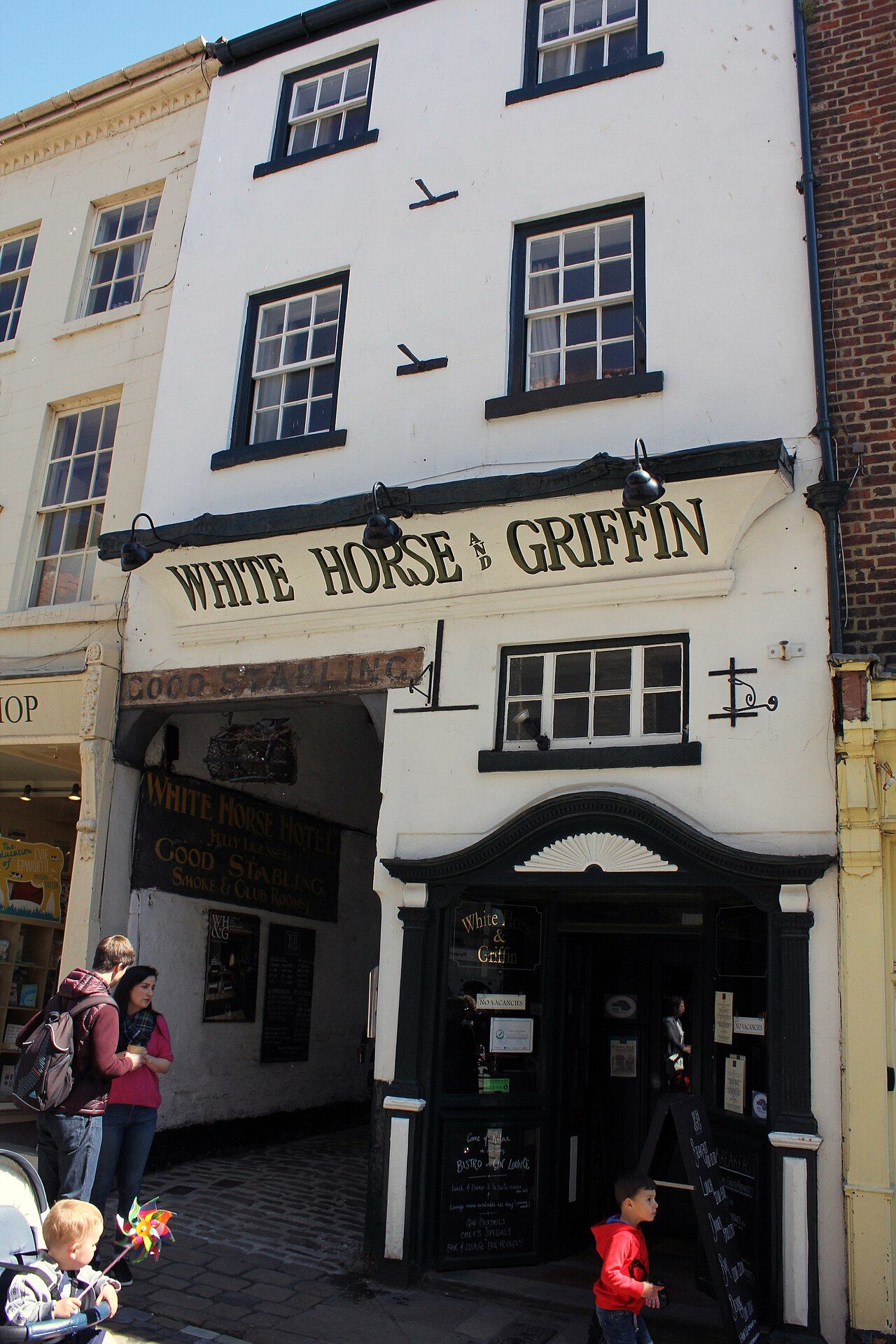
A Grade II listed former coaching inn on Church Street, Whitby, restored as a ten-room hotel and restaurant. Ghost stories tell of a stern Victorian landlady and a servant girl who died in a fall.
Check prices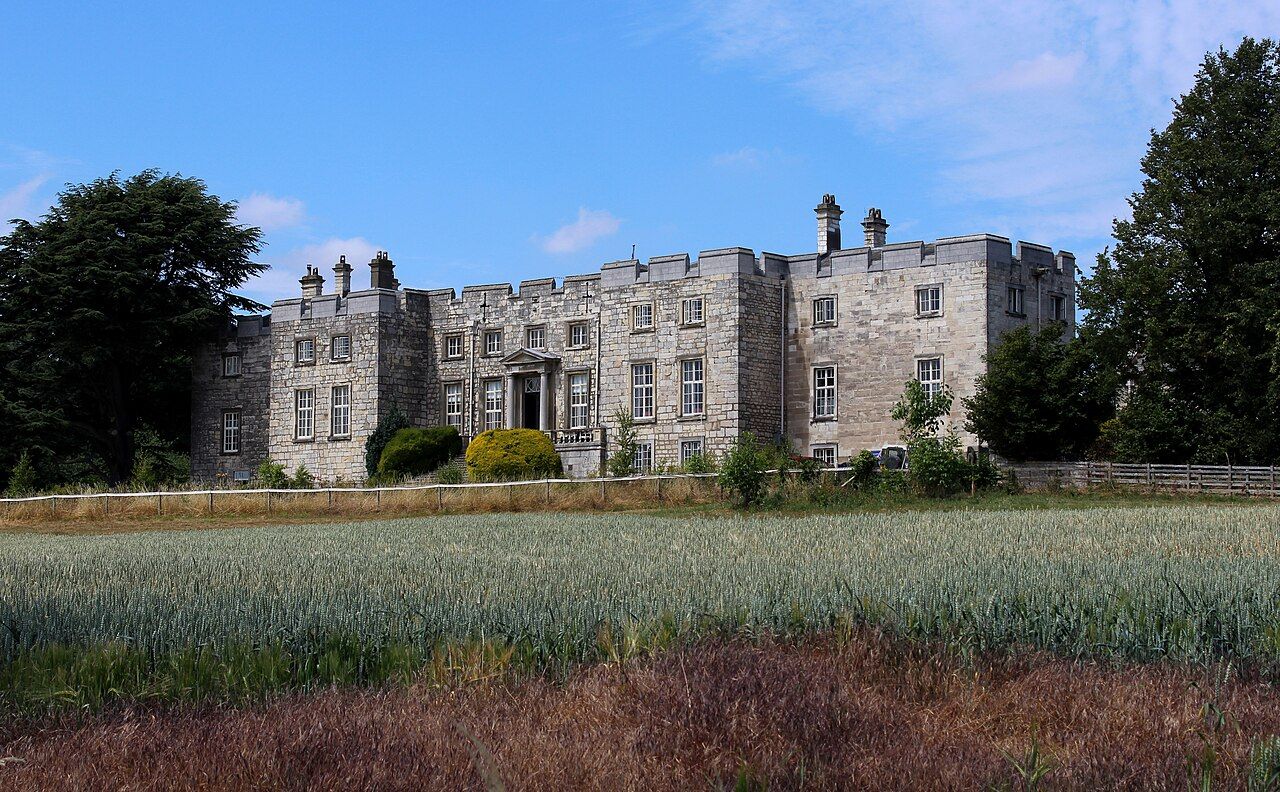
A Grade I listed fortified house near Tadcaster, held by the Vavasour family from the Norman period until 1908, then a maternity hospital and a Carmelite retreat before it became a hotel in 1997. A black-robed monk is said to haunt the Tansy bedroom.
Check prices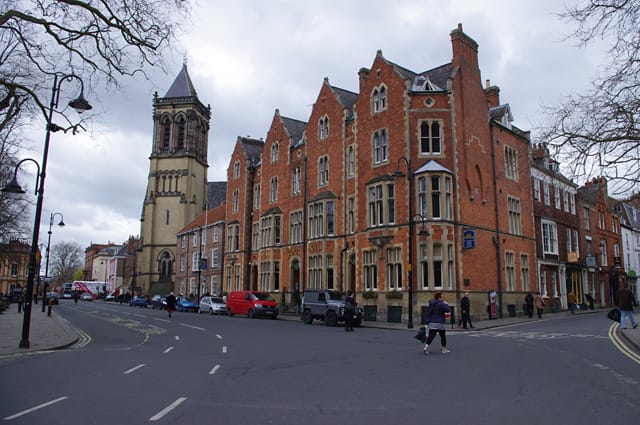
A Victorian hotel in the shadow of York Minster, built as homes for the Minster's clergy. Room 36, in the attic, is called one of the most haunted rooms in York: guests report pressure on their chests, slamming doors and, in one widely reported case, a man pulled out of bed by his feet.
Check prices