Mrs Bower
LegendSeen: The staircase and outside steps
A stern 19th-century landlady said to have died after a fall on the steps; guests are said to feel judged and unwelcome.
Inn or pub with rooms · You can stay here
87 Church Street, Whitby
The White Horse and Griffin is a Grade II listed former coaching inn on Church Street in Whitby's old town, now a restaurant with ten en-suite rooms and a cottage. The inn says it was built in 1681. Ghostwatch says it is haunted by Mrs Bower, a stern 19th-century landlady who died after a fall on the outside steps, and by Sarah, a servant girl who fell through a beer hatch. No witnesses are named, and the inn's own pages don't mention either ghost. You can stay.
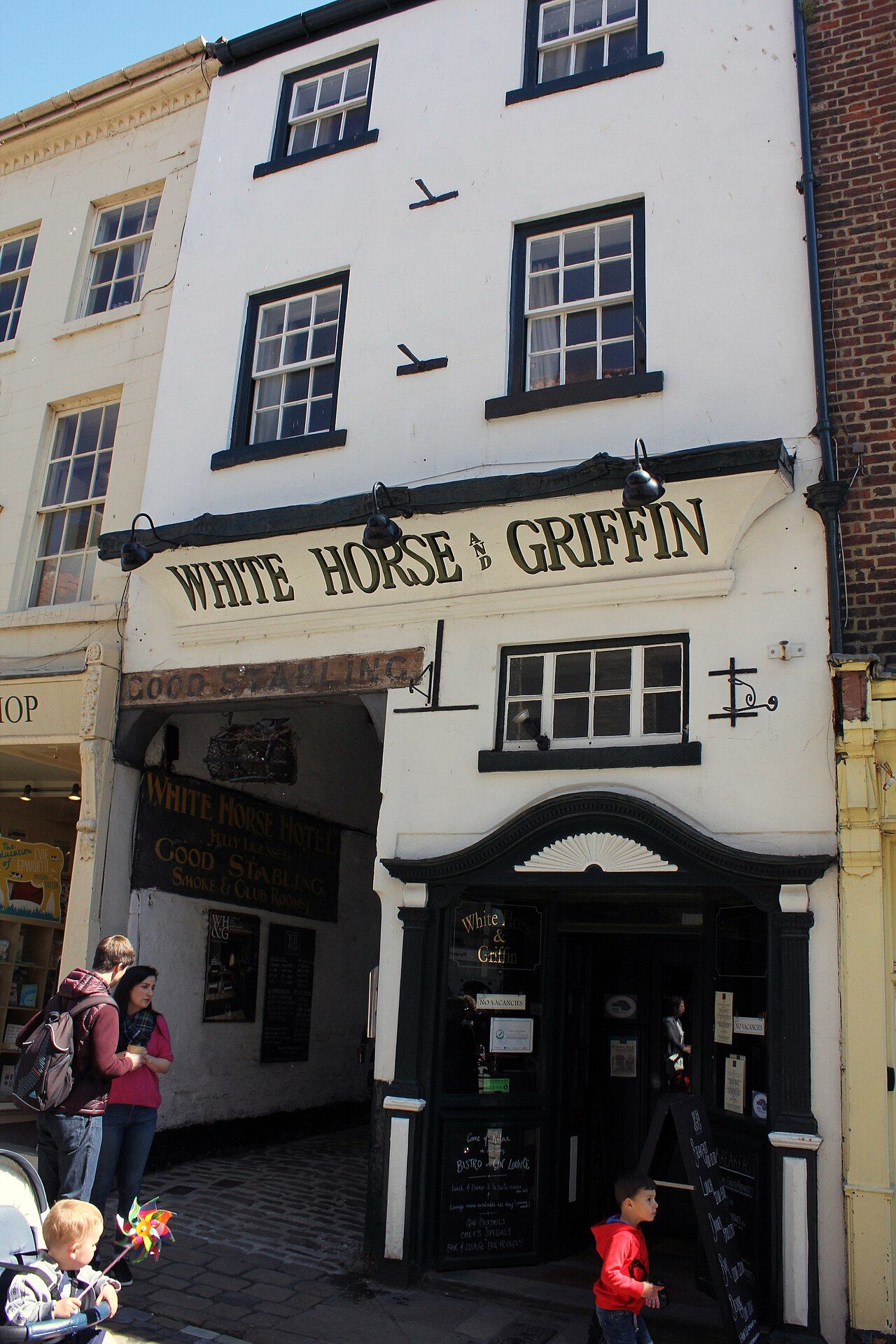
The building's history is well recorded. Historic England lists it at Grade II as the former White Horse Inn, of the late 18th century, and notes that the first stage coach from Whitby to York ran from here in 1788 and that Charles Dickens described oyster-shell grottos in its yard. The inn and CAMRA date it to 1681 and Sir Hugh Cholmley, which the listing doesn't support. The story that Captain Cook hired crews here is widely repeated but CAMRA calls it a legend.
The ghosts rest on a single ghost website, Ghostwatch, which gives no sources, dates or witnesses beyond 'guests' and 'staff'. We found no record of a landlady called Mrs Bower or of a servant who died in the cellar. Treat both as stories told about the inn, not events on record.
What we checked:Documented history × 5Published account × 1Legend × 2Disputed × 1Unverified × 1See each claim
Seen: The staircase and outside steps
A stern 19th-century landlady said to have died after a fall on the steps; guests are said to feel judged and unwelcome.
Seen: The cellar
A servant girl said to have died falling through the beer hatch; linked to cold spots and a young woman glimpsed in the cellar.
The best-known story is about Mrs Bower, described as a 19th-century landlady who was harsh and quick to judge her guests. Ghostwatch says she died after slipping on the outside steps, alone, with her cries for help unanswered. Guests are said to feel uneasy and unwelcome, as if being judged, especially near the staircase where she fell.
Ghostwatch also tells of a young servant girl, sometimes called Sarah, who fell through a beer hatch to the cellar below and broke her neck; some versions say she was pregnant. Cold spots, sudden chills, a sense of sorrow and glimpses of a young woman in the cellar are put down to her.
The same site says the inn hosted seances during the Victorian craze for spiritualism, and that in the 1980s a reward was offered to anyone who would spend a night alone in the building, and nobody claimed it. Neither story is sourced.
The inn's own blog repeats a Whitby legend about an 'oyster man' who haunts the streets touting oysters, having died of remorse after killing a man in self-defence at the Golden Lion. It tells visitors to listen for him as they leave, but it's a story about the town, not the inn.
The inn's own history says Sir Hugh Cholmley built it in 1681 as the first coaching inn on the road from Whitby to York and London, and CAMRA repeats the date. Historic England, which listed it at Grade II in 1972 as the former White Horse Inn, describes the present building as late 18th century: three storeys, rendered, with a heavy cornice over the ground floor, a passage archway and an early 20th-century doorway with reeded Ionic pilasters. The listing says the name was a compliment to the Cholmley family.
According to the listing, the first stage coach from Whitby to York ran from here in 1788; Wikipedia says London. Charles Dickens recorded oyster-shell grottos in the yard, and the inn appears in Ethel Kidson's novel Herringfleet. The inn says Captain James Cook and the whaler William Scoresby hired their crews here; CAMRA calls that a legend.
The inn says it closed in 1939, on the day of the Battle of the River Plate, and the building was later used to store fishermen's nets and lobster pots. Local builder Stewart Perkins bought it in 1982, and an 11-year restoration followed before it reopened in 1993 as a restaurant with rooms. CAMRA dates the purchase to the late 1980s. The Perkins family still runs it, with ten en-suite rooms named after Whitby ships and skippers, and a cottage.
1788
First stage coach to York
4 December 1972
Listed at Grade II
1993
Reopens after restoration
What each story about White Horse and Griffin rests on. A published account shows that someone reported an experience, not what caused it.
The building is Grade II listed as the former White Horse Inn, and Historic England dates it to the late 18th century.
Sir Hugh Cholmley built the inn in 1681.
The inn's own claim, repeated by CAMRA. Historic England dates the present building to the late 18th century, though there may have been an earlier inn on the site.
The first stage coach from Whitby to York ran from the inn in 1788.
Wikipedia says the coach went to London; the listing says York.
Charles Dickens recorded oyster-shell grottos in the inn's yard.
Captain James Cook and William Scoresby hired their crews at the inn.
Told by the inn and widely repeated; CAMRA calls it a legend, and we found no record behind it.
The inn closed in 1939, was used to store fishermen's gear, and reopened in 1993 after an 11-year restoration by local builder Stewart Perkins.
From the inn's own history; CAMRA dates the purchase to the late 1980s rather than 1982.
The inn has ten en-suite rooms named after Whitby ships and skippers, and a cottage.
A stern 19th-century landlady, Mrs Bower, died after slipping on the inn's outside steps.
Only one ghost website tells it; no record of a landlady of that name or of her death was found.
Guests feel uneasy and unwelcome near the staircase, which is put down to Mrs Bower.
Reported by a ghost website with no named witness.
A servant girl called Sarah died falling through the beer hatch, and cold spots and a young woman in the cellar are linked to her.
Only one ghost website tells it, with no date or record of the death and no named witnesses to the sightings.
White Horse and Griffin is said to be haunted by Mrs Bower and Sarah. Reported activity includes apparition, temperature, atmospheric, being watched, cold spots.
It has a ghost story about a stern landlady, Mrs Bower, and a servant girl, Sarah. Both come from a ghost website with no named witnesses, and we found no record of either woman.
Yes. It has ten en-suite rooms, named after Whitby ships and skippers, and a self-catering cottage.
The inn says Cook and William Scoresby hired crews here. It's widely repeated, but CAMRA calls it a legend and we found no record to confirm it.
The inn says 1681. Historic England dates the present building to the late 18th century, and records that the first stage coach to York left from here in 1788.
No guest accounts yet. If you've stayed here, yours could be the first.
Share your experiencePage last reviewed 21 November 2026.
Check room prices and availability for your dates.
Make a night of it: join a guided ghost walk before you check in at White Horse and Griffin.
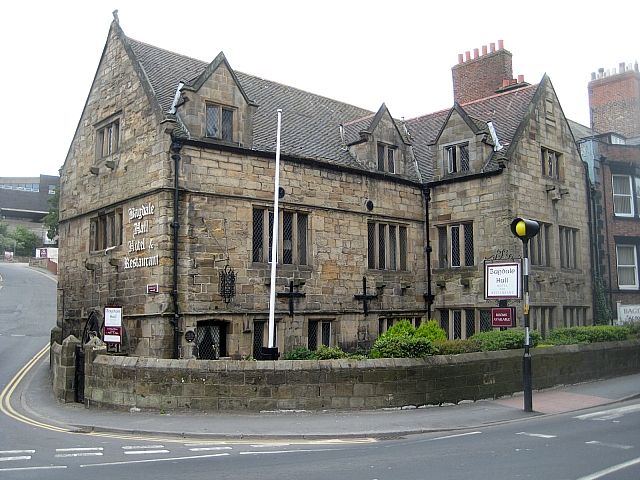
An early 16th-century hall in Whitby, now a hotel, once the home of the Civil War naval officer Browne Bushell, who was executed in 1651. His ghost is said to walk the stairs.
Check prices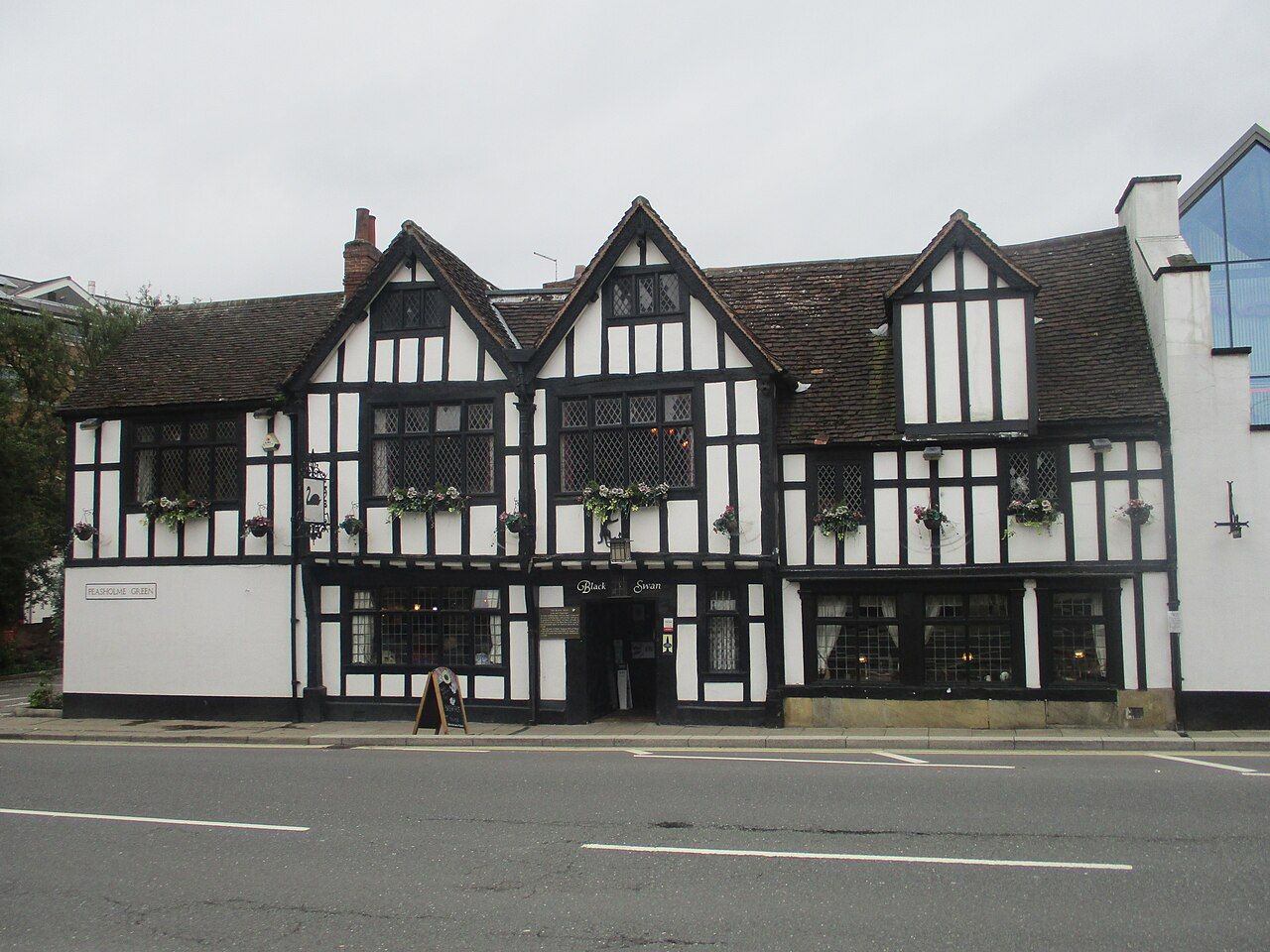
A timber-framed, Grade II* listed pub on Peasholme Green in York with three four-poster rooms upstairs. Its ghosts include a man in a bowler hat at the bar and a woman who stares at the fire.
Check prices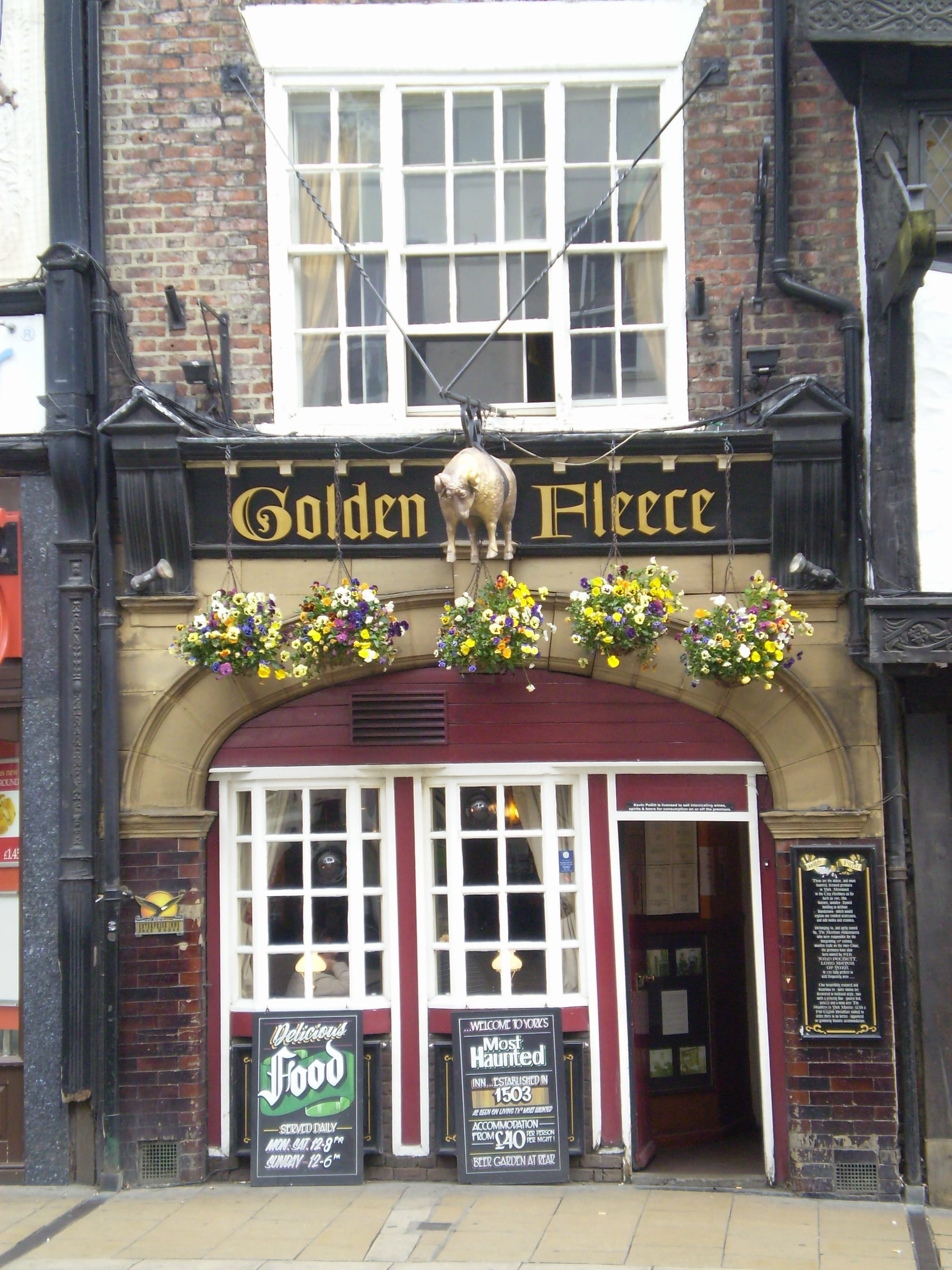
An old inn on York's Pavement that calls itself the city's most haunted pub, with rooms upstairs. Its ghosts include Lady Alice Peckett, One-Eyed Jack and an airman who fell from a window in the war.
Check prices