Mary Barwick
DocumentedSeen: A pond near Bishop Dyke, within sight of the castle
The murder in 1690 is on record. A 1690 pamphlet says her ghost was seen by her brother-in-law, which led to her husband's confession.
Self-catering · You can stay here
Thorpe Lane, Cawood, near Selby
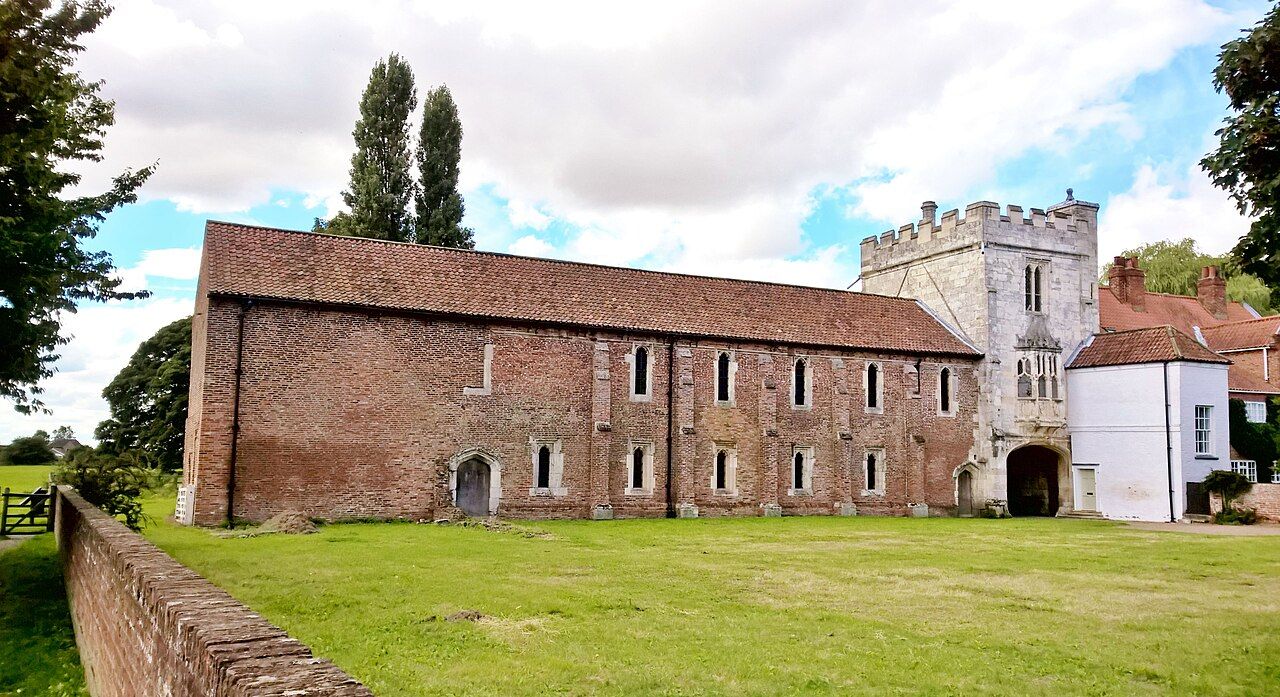
Cawood Castle is the Grade I listed gatehouse of the Archbishops of York's palace, built about 1426-51 and let for holidays by the Landmark Trust, sleeping four. Its ghost story is a real case: in 1690 William Barwick drowned his pregnant wife Mary in a pond within sight of the castle, and a 1690 pamphlet says her ghost was seen by her brother-in-law, Thomas Lofthouse, before Barwick confessed and was hanged. The ghost belongs to the grounds and the pond, not the gatehouse you stay in.
The murder is documented. A pamphlet printed in London in 1690 gives Barwick's examination and confession, and he was tried at York Assizes that September and hanged. His wife's body was found by a pond between Cawood and Sherburn, which his confession placed within sight of the castle.
The ghost is part of the same 17th-century account: Thomas Lofthouse said he saw a woman like Mary, and that set off the inquiry. It shows what was said and believed in 1690, not what he saw. Later retellings move it around, putting the pond inside the castle grounds or making the witness her sister. Nobody reports anything in the gatehouse itself, and the Landmark Trust's history of the building doesn't mention a ghost.
What we checked:Documented history × 6Published account × 1Disputed × 1Unverified × 1See each claim
Seen: A pond near Bishop Dyke, within sight of the castle
The murder in 1690 is on record. A 1690 pamphlet says her ghost was seen by her brother-in-law, which led to her husband's confession.
In April 1690 William Barwick drowned his wife Mary, who was pregnant, in a pond near Bishop Dyke, between Cawood and Sherburn, and buried her by the bank. He told her sister's husband, Thomas Lofthouse, that she'd gone to stay with an uncle at Selby. A few days later, at Easter, Lofthouse said he saw a pale woman like Mary sitting on a green bank, seeming to hold a white bundle like a baby. He found that she'd never reached Selby, got a warrant, and Barwick confessed. He was tried at York that September, hanged, and his body hung in chains by the pond.
The story is usually filed under Cawood Castle, but it isn't a gatehouse ghost. The pond was in a field outside the castle, which Barwick's confession said was in sight of it, and the old account puts Lofthouse's sighting near his own home at Rufforth. Some modern versions say Mary's ghost appeared to her sister, or that the pond was in the castle grounds. Nothing is reported in the gatehouse rooms.
Cawood was the main palace of the Archbishops of York from the 13th century until 1646, at a crossing of the Ouse on the road to York. A castle is mentioned in 1181. Henry III, Edward I and Edward II all stayed here.
Archbishop John Kempe built the gatehouse, probably between 1426 and 1451, in creamy stone from Huddleston, and the cardinal's hat on its carved shields marks his promotion in 1439. The range to the east, once a two-storey banqueting hall, is of the same date.
Cardinal Wolsey, Archbishop of York from 1514, first came to Cawood in 1530, after his fall. He was arrested here for treason by the Earl of Northumberland and died at Leicester on the way to London. Henry VIII stayed here for two days in 1541 with Catherine Howard.
The castle changed hands three times in the Civil War, and afterwards Parliament had it slighted. Most of it was pulled down, but the gatehouse survived and was used as a manor court. In the Second World War it was an officers' mess and was used by the Home Guard.
The Landmark Trust bought the gatehouse, decayed, in 1985, restored its parapet and flat roof, and lets it for holidays. The gatehouse and banqueting hall are both Grade I listed, and the castle site is a scheduled monument.
1426
Kempe's gatehouse
1530
Wolsey arrested
1646
Castle slighted
April 1690
Lofthouse sees the ghost
14 April 1690
Mary Barwick murdered
September 1690
Barwick tried and hanged
1985
Landmark Trust buys it
What each story about Cawood Castle rests on. A published account shows that someone reported an experience, not what caused it.
After the Civil War Parliament had the castle slighted, and most of it was demolished except the gatehouse and hall.
Barwick confessed, was convicted at York Assizes and hanged, and his body hung in chains by the pond.
Accounts differ over the trial date, 16 or 18 September.
Thomas Lofthouse, Mary's brother-in-law, said he saw her ghost, which led to the inquiry.
In the 1690 pamphlet and Aubrey's Miscellanies (1696), as retold by Baring-Gould. It shows what was reported, not what he saw.
The pond was in the grounds of Cawood Castle, and the ghost appeared to Mary's sister.
The older account puts the pond in a field within sight of the castle, and the witness was her sister's husband, Thomas Lofthouse.
The gatehouse itself is haunted.
No report places the ghost inside the gatehouse, and the Landmark Trust's history doesn't mention one.
Its ghost story is Mary Barwick, murdered in 1690 at a pond within sight of the castle. Her ghost was said to have been seen by her brother-in-law. Nothing is reported inside the gatehouse.
Yes. William Barwick confessed to drowning his pregnant wife in 1690, was tried at York Assizes and hanged. A pamphlet about the case was printed that year.
Yes. The Landmark Trust lets the gatehouse as a self-catering holiday home for up to four people.
Yes, in 1530, by the Earl of Northumberland, on Henry VIII's orders. He died at Leicester on the way to London.
No guest accounts yet. If you've stayed here, yours could be the first.
Share your experiencePage last reviewed 21 November 2026.
Check room prices and availability for your dates.
Make a night of it: join a guided ghost walk before you check in at Cawood Castle.
Want more castles? See all our haunted castle hotels.
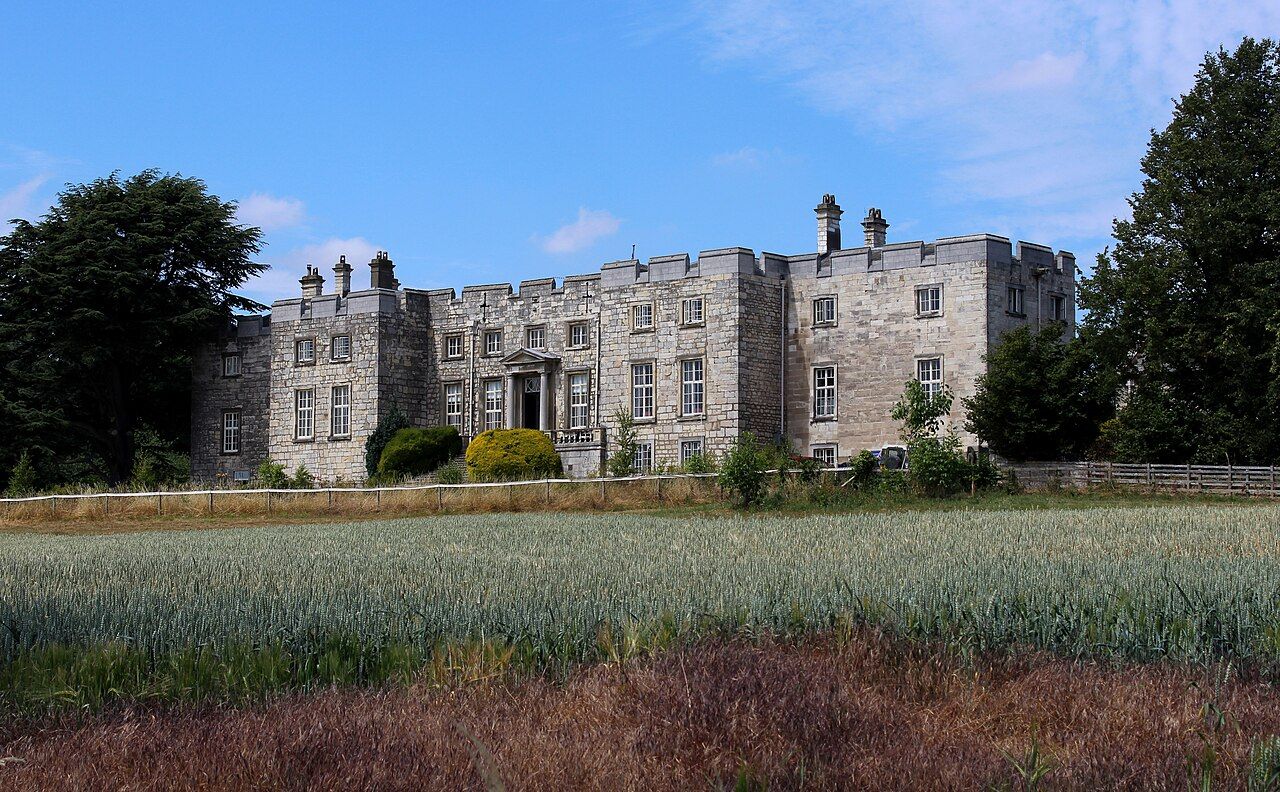
A Grade I listed fortified house near Tadcaster, held by the Vavasour family from the Norman period until 1908, then a maternity hospital and a Carmelite retreat before it became a hotel in 1997. A black-robed monk is said to haunt the Tansy bedroom.
Check prices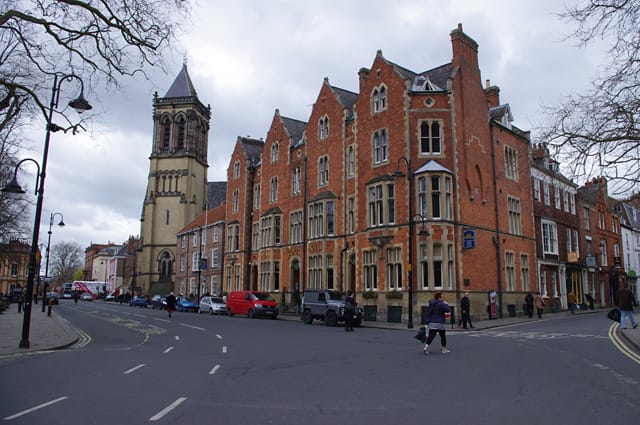
A Victorian hotel in the shadow of York Minster, built as homes for the Minster's clergy. Room 36, in the attic, is called one of the most haunted rooms in York: guests report pressure on their chests, slamming doors and, in one widely reported case, a man pulled out of bed by his feet.
Check prices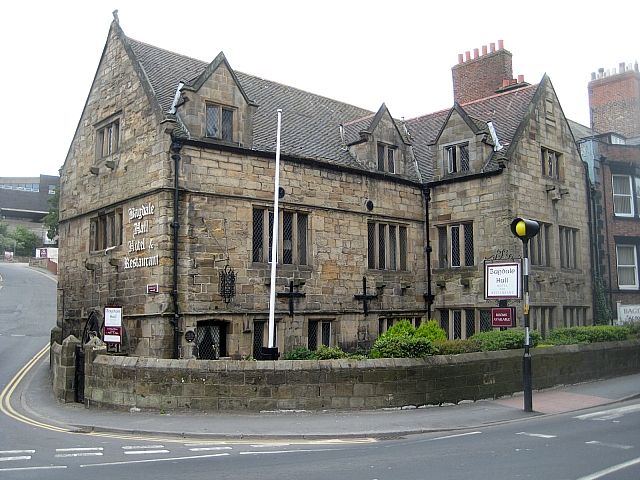
An early 16th-century hall in Whitby, now a hotel, once the home of the Civil War naval officer Browne Bushell, who was executed in 1651. His ghost is said to walk the stairs.
Check prices