The Grey Lady
LegendSeen: The suspension bridge and the hotel's outbuildings
A young woman said to have drowned herself in the Tweed after her lover, a monk, was killed. No dates or witnesses.
Country house or manor · You can stay here
Dryburgh Abbey Hotel, St Boswells, Melrose
Dryburgh Abbey Hotel is a baronial house built in 1845 beside the ruins of Dryburgh Abbey, near St Boswells in the Scottish Borders. It has been a hotel since 1932 and you can stay there. Ghost sites and Martin Coventry's Castles of Scotland tell of a Grey Lady, a young woman of the house who drowned herself in the Tweed after her lover, a monk, was killed. She's said to be seen on the suspension bridge and in the outbuildings. No witness is named.
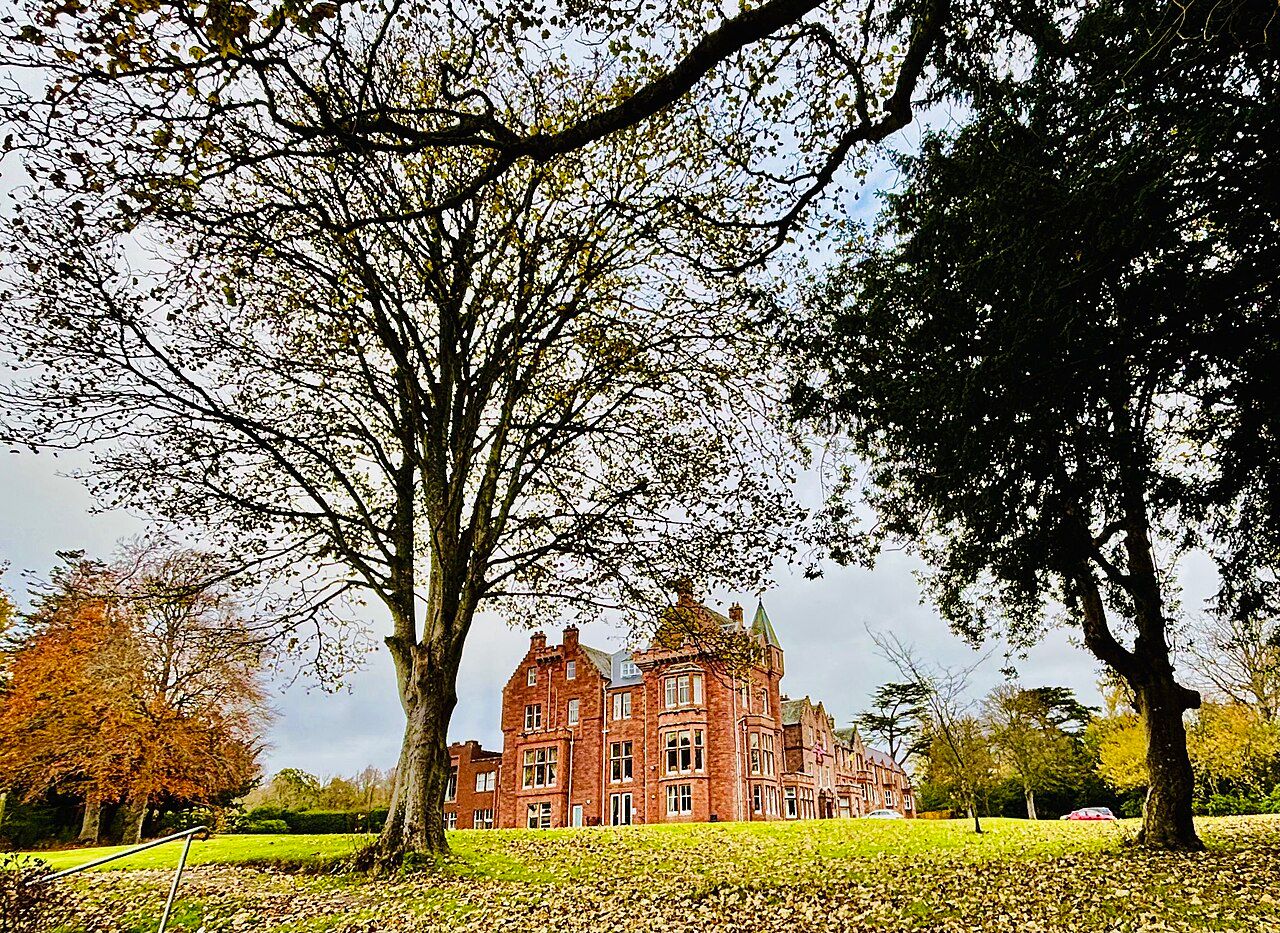
The building's history is documented: Wikipedia and the hotel both say it was built in 1845 as a family home, and it opened as a hotel in 1932. The ruined abbey next door is real, and part of its old churchyard lies in the hotel grounds.
The Grey Lady is a legend with no names, dates or witnesses. It's usually set in the 16th century, long before the present house, and one version has her jump from a bridge, though the first bridge here was built in 1817; before that the crossing was a ferry.
What we checked:Documented history × 4Legend × 2Disputed × 1Unverified × 1See each claim
Seen: The suspension bridge and the hotel's outbuildings
A young woman said to have drowned herself in the Tweed after her lover, a monk, was killed. No dates or witnesses.
Seen: The abbey ruins next door
Ghostly monks and chanting said to haunt the ruins.
A young woman who lived on the site is said to have fallen in love with a monk from the abbey. When the affair came out, the monk was killed, and she drowned herself in the Tweed. Some versions say she jumped from a bridge near the house. Her ghost, the Grey Lady, is said to be seen on the suspension bridge and in the hotel's outbuildings. No sighting is dated and no witness is named.
The abbey ruins next door are said to be haunted by monks and by the sound of chanting. These stories belong to the abbey rather than the hotel.
Dryburgh Abbey was founded in 1150. Its ruins stand beside the hotel, and Sir Walter Scott and Field Marshal Haig are buried there. Part of the old churchyard lies within the hotel grounds.
The present house was built in 1845 as a private home for the family of Lady Griselle Baillie. Her brother, Lord Jerviswoode, modernised it in 1875. It shouldn't be confused with Dryburgh Abbey House, a separate private house nearby.
The family kept the house until 1929, when the Scottish Motor Traction Company bought it. The company added an east wing and opened it as a tourist hotel in 1932. It changed hands several times, and in 2007 it was sold off a guide price of £3.5 million to a new company. Wikipedia says the Wallace family has owned and run it since then.
1845
The house is built
1932
Opens as a hotel
May 2007
New owners
What each story about the Dryburgh Abbey Hotel rests on. A published account shows that someone reported an experience, not what caused it.
The Scottish Motor Traction Company bought the house in 1929 and opened it as a hotel in 1932.
Part of the old churchyard of Dryburgh Abbey lies within the hotel grounds.
A young woman of the house drowned herself in the Tweed after her lover, a monk of the abbey, was killed, and her ghost, the Grey Lady, haunts the hotel.
No names, dates or witnesses. The story is set long before the present house was built.
The Grey Lady has been seen on the suspension bridge and in the hotel's outbuildings.
No sighting is dated and no witness is named.
The Grey Lady jumped to her death from a bridge near the house in the 16th century.
The first bridge at Dryburgh was opened in 1817; before that the crossing was a ferry.
The Dryburgh Abbey Hotel is said to be haunted by the Grey Lady and the monks. Reported activity includes apparition.
Ghost sites tell of a Grey Lady who drowned herself in the Tweed after her lover, a monk, was killed. No witness or date goes with the story.
She's said to be a young woman of the house who fell in love with a monk from the abbey. Her name isn't recorded and the story has no documentary backing.
The house was built in 1845 and became a hotel in 1932. The abbey ruins next door date from the 12th century.
Yes. It's a working country house hotel and can be booked directly or online.
No guest accounts yet. If you've stayed here, yours could be the first.
Share your experiencePage last reviewed 17 November 2026.
Check room prices and availability for your dates.
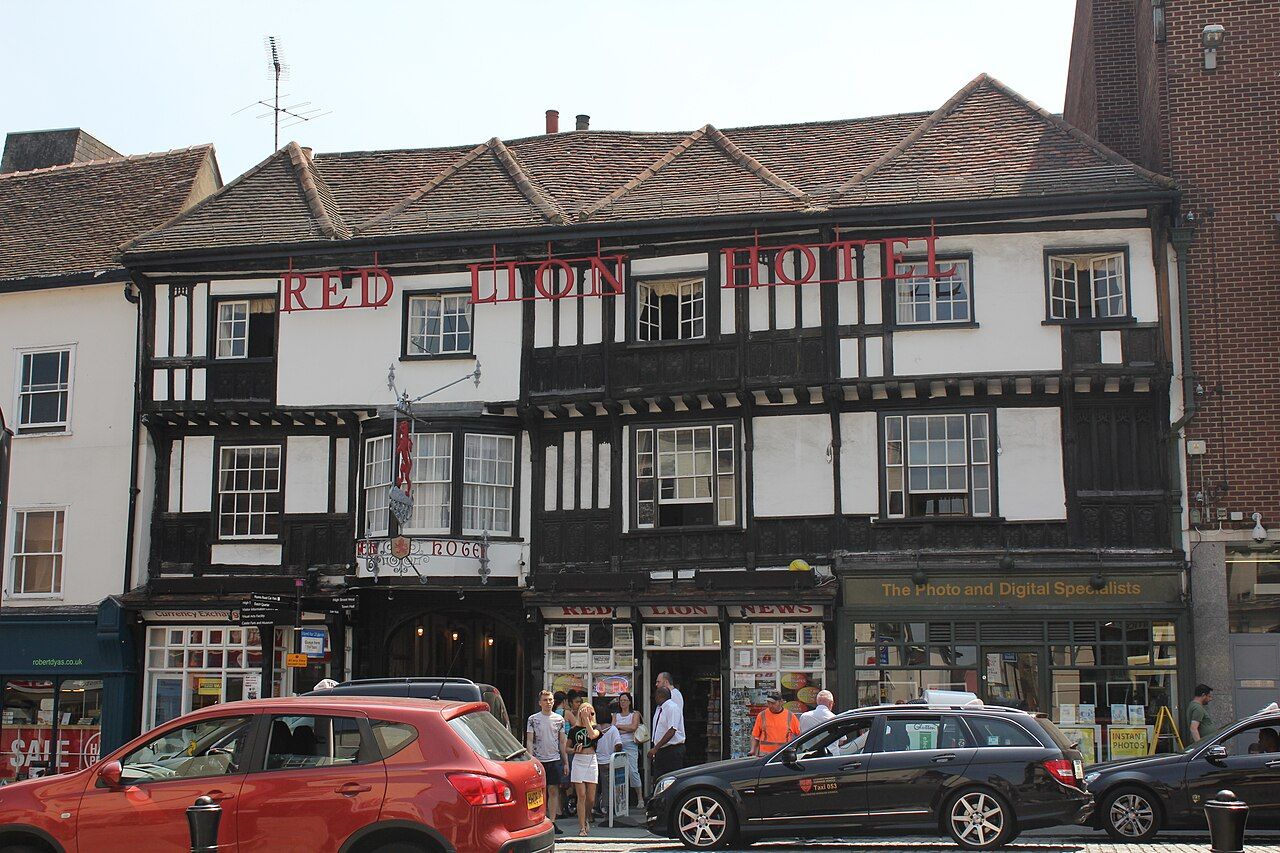
A Grade I listed timber-framed inn on Colchester High Street, its timbers felled in 1475-76. Its ghost is Alice Miller, a chambermaid said to have been murdered by her lover in the 1630s.
Check prices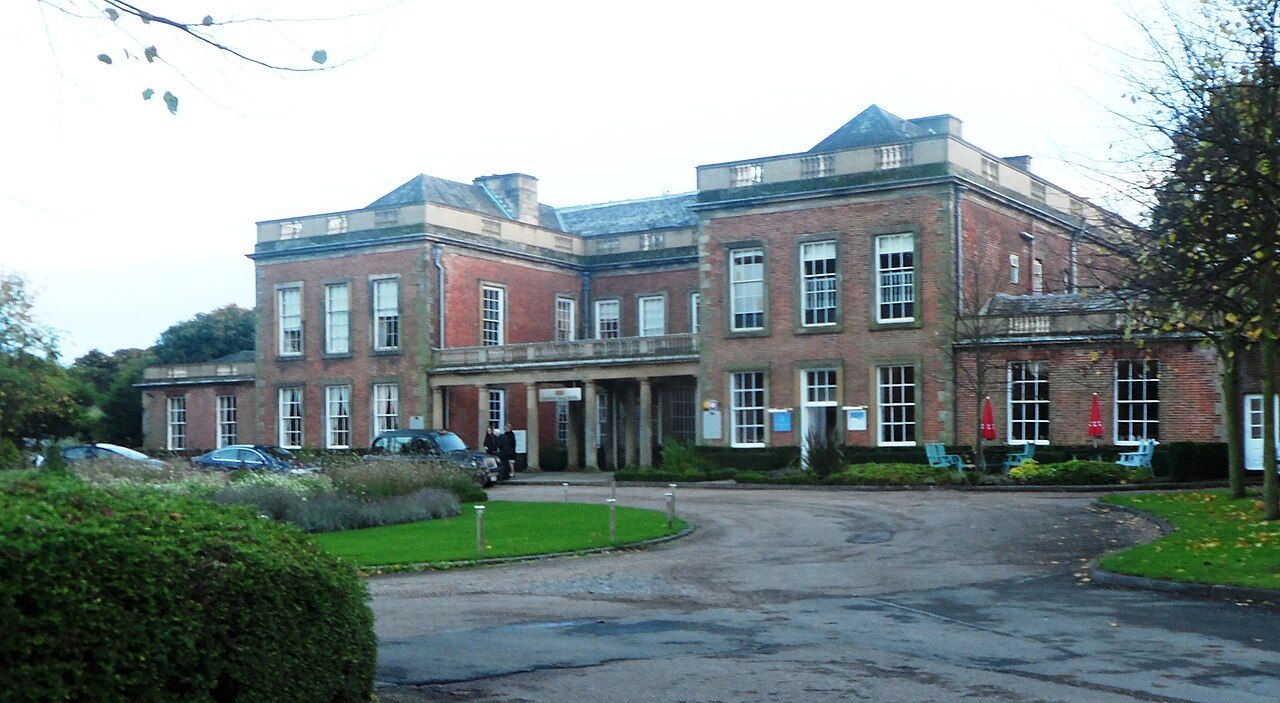
A Grade II* listed Georgian country house beside Nottingham racecourse, remodelled by John Carr in 1776 and attacked by Reform Bill rioters in 1831. Its ghost is said to be Mary Chaworth Musters, still hiding from the mob.
Check prices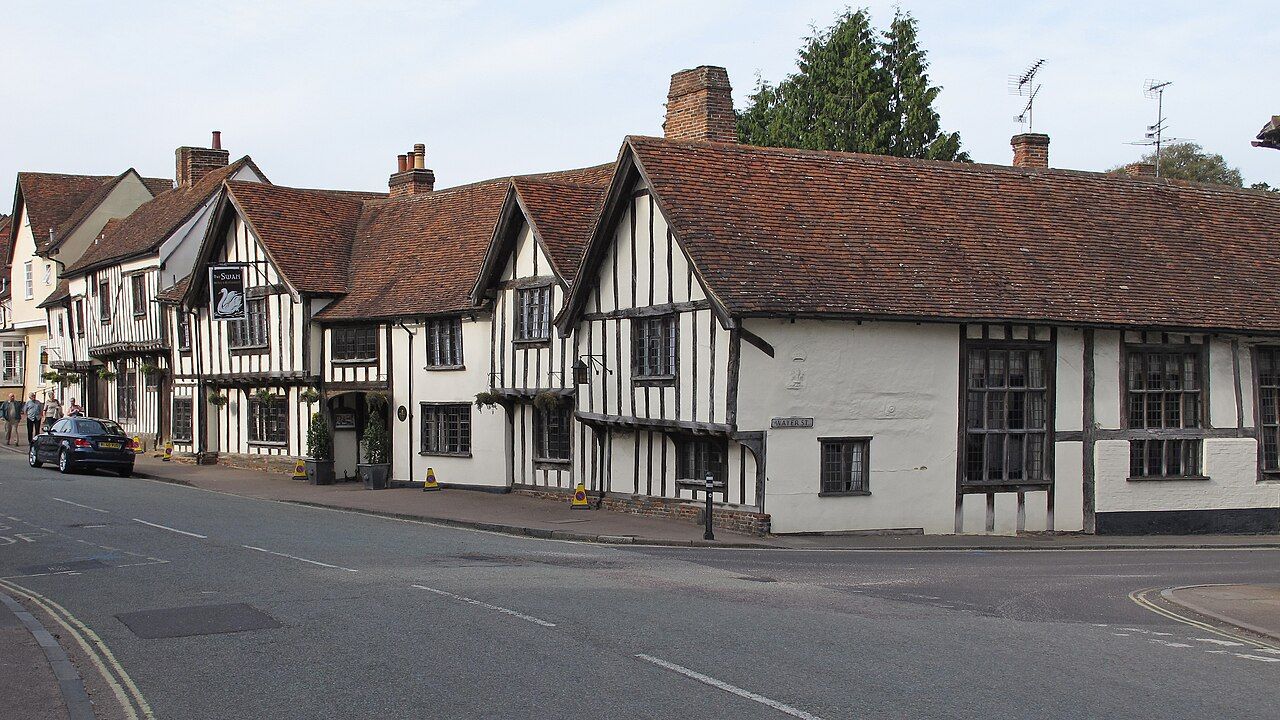
A cluster of medieval timber-framed houses in Lavenham, Suffolk, joined with a Grade I guild hall to make one hotel. American airmen signed the walls of its bar in the Second World War, and Room 15 has a ghost story.
Check prices