Mary Chaworth Musters
LegendSeen: The grounds
Byron's first love, said to hide behind the trees as she did from the 1831 rioters.
Country house or manor · You can stay here
Colwick Park, Racecourse Road, Nottingham
Colwick Hall, beside Nottingham racecourse, is a Grade II* listed country house remodelled by John Carr in 1776 for the Musters family, and now a hotel. On 10 October 1831 Reform Bill rioters sacked and burned it, and Mary Chaworth Musters, Lord Byron's first love, spent the night outside in the rain; she died four months later. Visit Nottinghamshire and the Gedling Eye say her ghost hides behind the trees, and that staff hear footsteps and children's voices. No witness is named. You can stay.
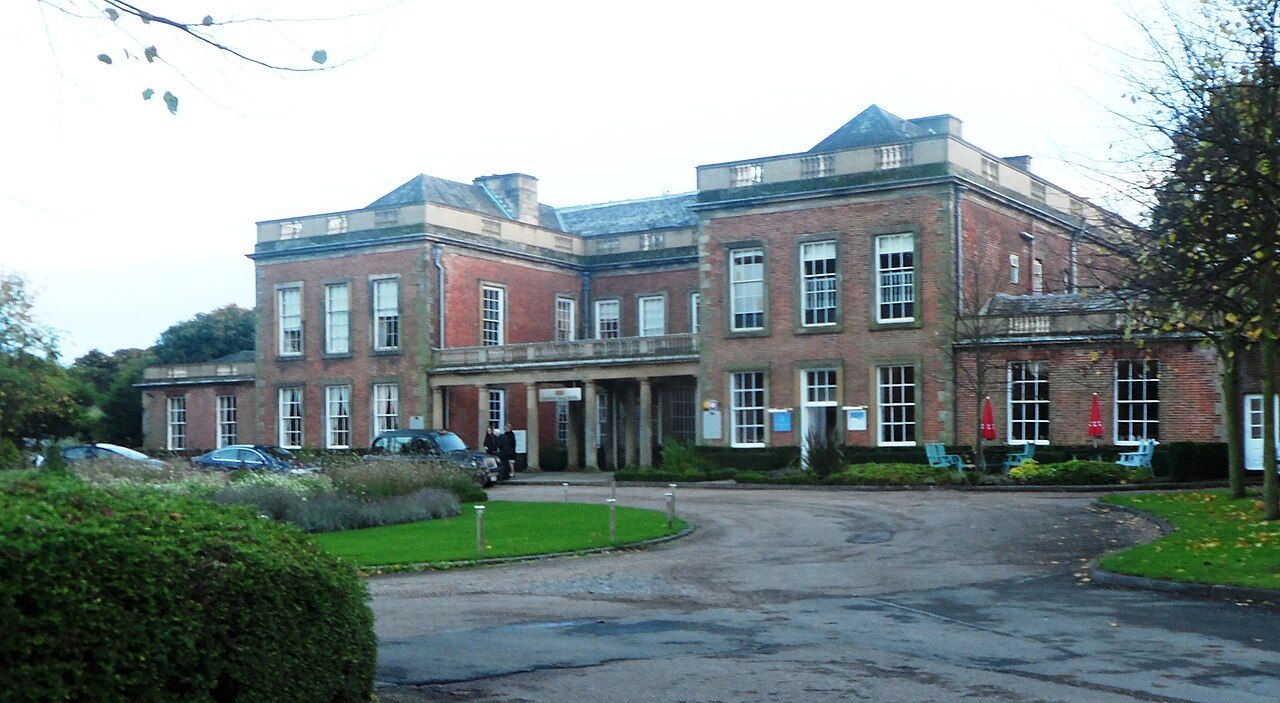
The history behind the ghost story is real. The University of Nottingham's archive records that rioters attacked and set fire to the hall on 10 October 1831, that Mary Chaworth Musters, already in poor health, spent the night outside with her daughter, and that she died at Wiverton on 6 February 1832.
The haunting is thinly sourced. A tourism blog and a local news round-up say her ghost hides behind trees in the grounds and that staff have heard footsteps, voices and children's laughter, but they name no one and give no dates. One round-up wrongly calls the rioters Luddites and counts Mrs Chaworth Musters and Mary Ann Chaworth as two ghosts, though they were the same woman.
What we checked:Documented history × 6Published account × 1Legend × 1Disputed × 1Unverified × 1See each claim
Seen: The grounds
Byron's first love, said to hide behind the trees as she did from the 1831 rioters.
Seen: The old servants' quarters
Footsteps, voices and laughter said to be heard by staff. None is named.
Seen: The grounds
A white lady said to wander outside. One website, no details.
The best-known story is that Mary Chaworth Musters is still hiding behind the trees in the grounds, as she did from the rioters who stormed the hall in October 1831. She was Lord Byron's first love, and she died four months after that night. No one who claims to have seen her is named.
Footsteps, children's voices and laughter are said to be heard in the hall, and a local news site says staff working there have heard them from the old servants' quarters. The staff aren't named and no dates are given.
One ghost-event website says a white lady wanders the grounds, and links the hall to a Lady Byron. It gives no details, and it isn't clear whether she's meant to be Mary Chaworth Musters.
Colwick passed by marriage to the Byron family in 1362, and they lived there for more than 150 years before moving to Newstead Abbey; the Musters family took over around 1660. Historic England dates the present house to the early 18th century, remodelled in 1776 to designs by John Carr of York, with a portico of four Ionic columns. It is listed at Grade II*.
In 1805 John Musters married Mary Chaworth of Annesley Hall, the young Byron's great love. The marriage was unhappy, and the couple separated for a time. On 10 October 1831, when the Lords threw out the second Reform Bill, a mob from Nottingham smashed the furniture and set the hall on fire. Mary and her daughter Sophia hid outside all night in the rain. She died at Wiverton Hall on 6 February 1832.
The hall was sold to the Nottingham Racecourse Company in 1896 and became a pub, with grooms and jockeys housed in the outbuildings. Nottingham Corporation bought it in 1965 and it fell derelict before being restored. It is now a hotel and wedding venue run by Pearl Hotels and Restaurants.
1362
The Byrons inherit Colwick
1776
John Carr remodels the hall
1805
Mary Chaworth marries John Musters
10 October 1831
Rioters sack the hall
6 February 1832
Mary dies at Wiverton
1896
Sold to the racecourse
What each story about the Colwick Hall Hotel rests on. A published account shows that someone reported an experience, not what caused it.
The house is Grade II* listed: early 18th century, remodelled in 1776 to designs by John Carr.
Colwick Hall has over 800 years of history and dates back to Saxon times.
The hotel's claim. The estate is old, but the present house is early 18th century, remodelled in 1776.
The Byron family held Colwick from 1362 until about 1660, when the Musters family took over.
The hotel calls it Lord Byron's ancestral home; the poet's ancestors left before the present house was built.
Reform Bill rioters attacked and set fire to the hall, and Mary and her daughter Sophia spent the night outside in the rain.
Mary Chaworth Musters died at Wiverton on 6 February 1832, never having recovered from the shock.
Her health was already failing before the riot; the shock as the cause is the family account, not a medical record.
The hall was sold to the racecourse company in 1896, later passed to Nottingham Corporation, and is now a hotel.
Mary Chaworth Musters' ghost hides behind the trees in the grounds, as she did from the rioters.
No witnesses or dates. The Gedling Eye calls the rioters Luddites and counts her as two ghosts; they were Reform Bill rioters, and both names are the same woman.
Staff have heard footsteps, children's voices and laughter from the old servants' quarters.
The staff aren't named and no dates are given.
The Colwick Hall Hotel is said to be haunted by Mary Chaworth Musters, the children's voices and the white lady. Reported activity includes apparition, auditory, child spirit, footsteps.
Local tourism and news sites say Mary Chaworth Musters hides behind the trees in the grounds and that staff hear footsteps and children's voices. None of the witnesses is named.
Lord Byron's first love, who married John Musters of Colwick in 1805. She spent the night of the 1831 riot outside in the rain and died at Wiverton on 6 February 1832.
Not directly. Her health was already poor, and she is said never to have recovered from the shock. She died four months later.
The estate is ancient, but Historic England dates the present house to the early 18th century, remodelled in 1776.
No guest accounts yet. If you've stayed here, yours could be the first.
Share your experiencePage last reviewed 17 November 2026.
Check room prices and availability for your dates.
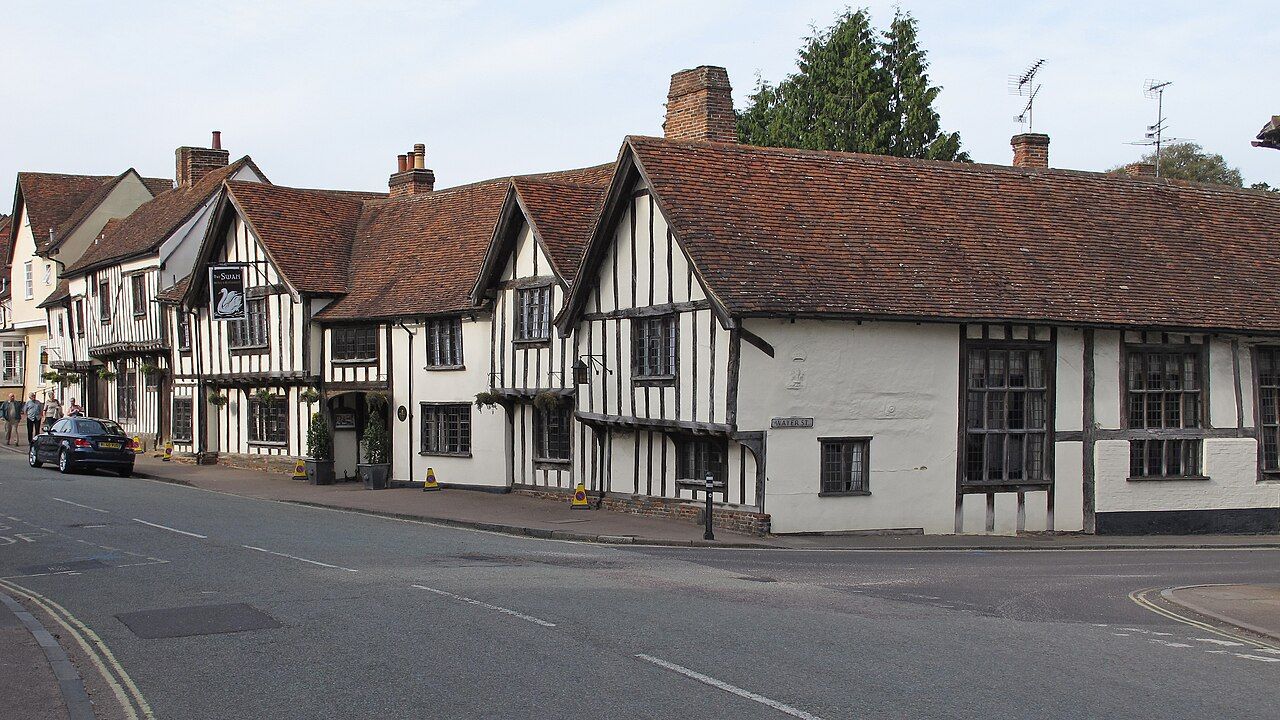
A cluster of medieval timber-framed houses in Lavenham, Suffolk, joined with a Grade I guild hall to make one hotel. American airmen signed the walls of its bar in the Second World War, and Room 15 has a ghost story.
Check prices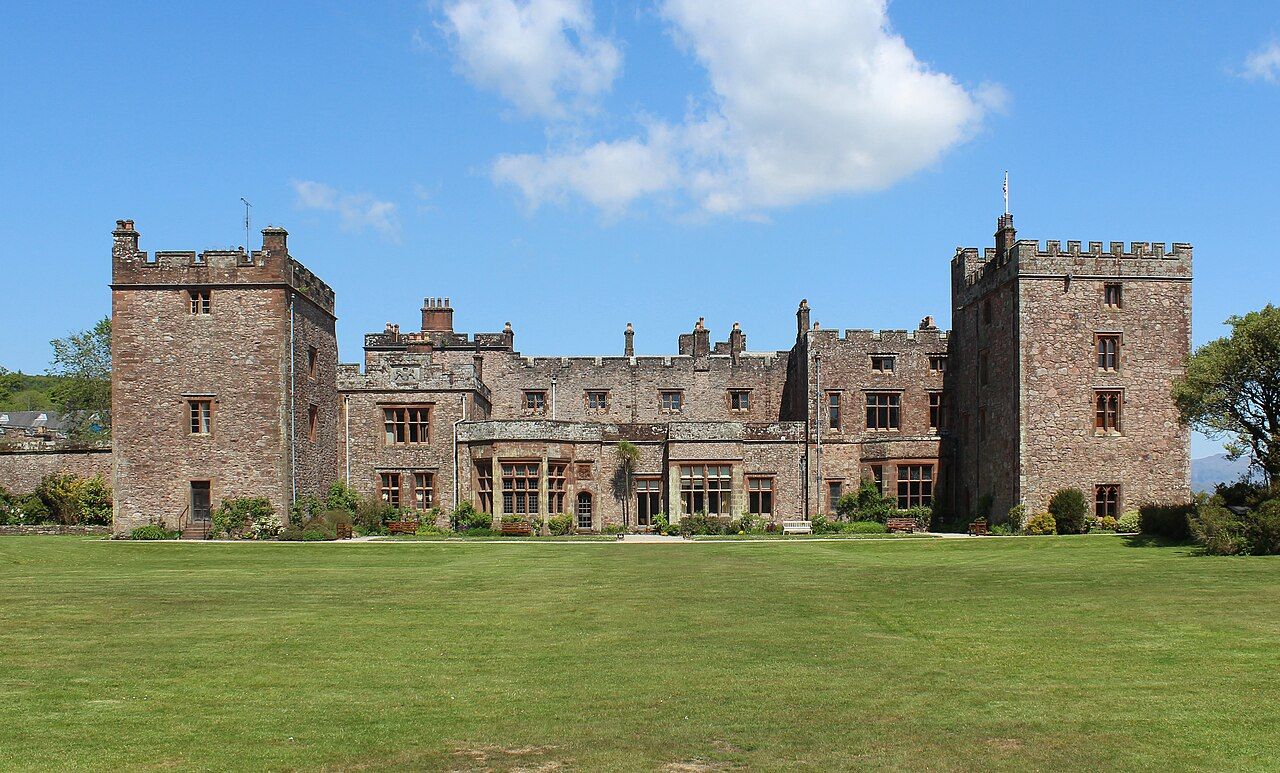
The Pennington family's castle above the Esk near Ravenglass, remodelled by Anthony Salvin in the 1860s. Its Tapestry Room is famous for a crying child, and you can spend the night there on a ghost sit.
Check prices
An ordinary 1950s council house in Pontefract where, from 1966, the Pritchard family reported one of Britain's most famous poltergeist cases. It's now owned by a film producer and opened for overnight stays.
Check prices