Lucy Walter
LegendSeen: The corridors and rooms
A see-through woman in a white gown who glides through closed doors; blamed for footsteps at night.
Castle · You can stay here
Roch Castle, Roch, Haverfordwest
Roch Castle, near Haverfordwest in Pembrokeshire, is a Grade I listed Norman tower on a rocky outcrop, restored in the 1900s and reopened in 2013 as a six-room luxury B&B. Its best-known ghost is Lucy Walter, mistress of Charles II and mother of the Duke of Monmouth, said by the castle, a local paper and ghost sites to glide through its rooms in a white gown. No witness is named. She was probably born here around 1630 but left as a child. You can stay.
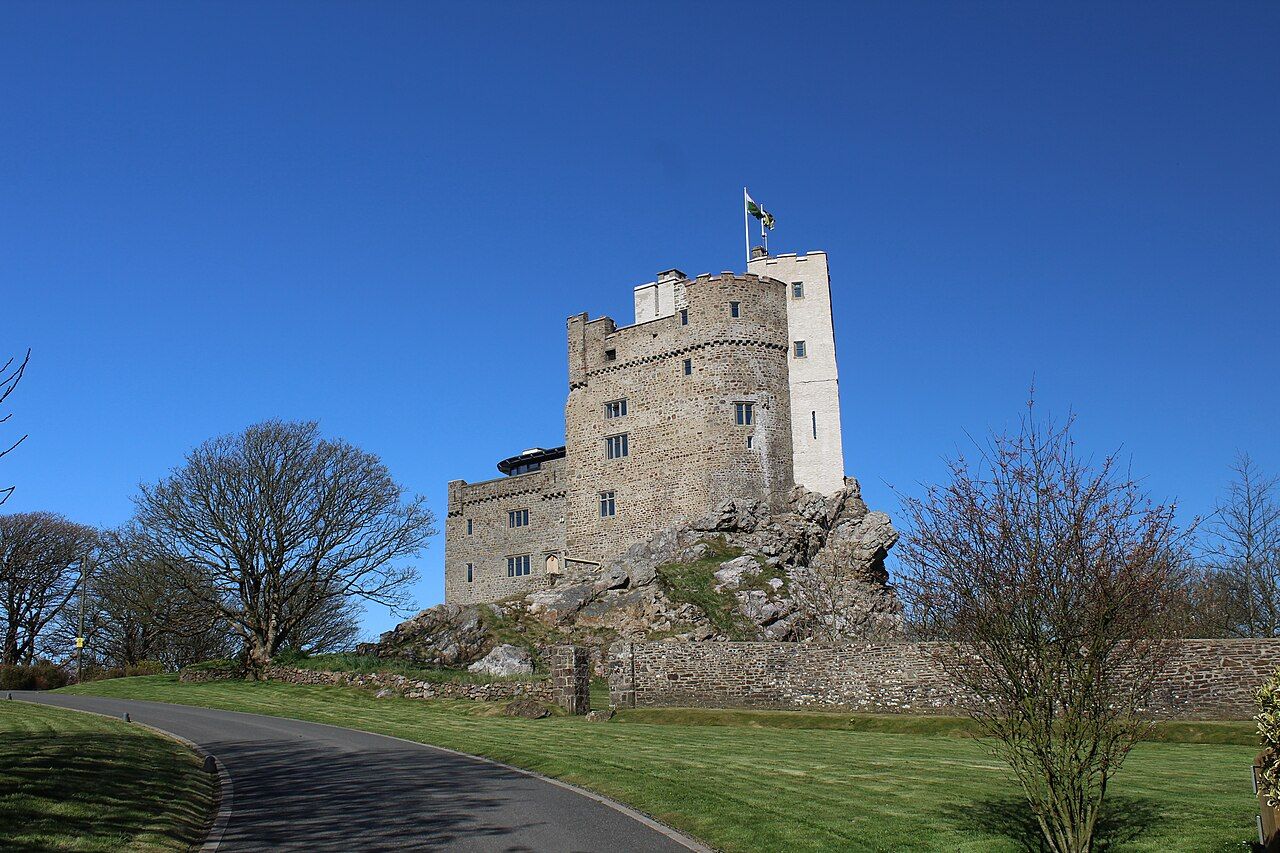
The building's history is documented: Cadw lists it at Grade I as a tower first built about 1200 by Adam de Rupe, besieged in the Civil War in 1644, and restored for Viscount St Davids from 1901. The Walter family owned it from about 1601, and Lucy Walter's father was William Walter of Roch Castle.
The ghost rests on retellings with no named witness: the castle's own 'Tales of Roch Castle' calls it a legend, and a local paper and a ghost site repeat it. Lucy was probably born here, but she spent her later childhood in London and her adult life abroad, dying in Paris in 1658. Ghost sites that say she lived here in the 1630s, or that her son reclaimed the castle, go beyond the records.
What we checked:Documented history × 6Legend × 1Disputed × 2Unverified × 1See each claim
Seen: The corridors and rooms
A see-through woman in a white gown who glides through closed doors; blamed for footsteps at night.
Seen: The corridors
The Norman builder, said to have died of a viper's bite despite building on a rock.
The castle's best-known ghost is Lucy Walter, mistress of Charles II. Visitors are said to have seen a see-through woman in a shimmering white gown gliding along the corridors and through closed doors, and she's blamed for footsteps heard by guests at night. The castle's own history pages tell the story as a legend, and no witness is named.
Lucy was most likely born at Roch around 1630, but her parents separated when she was about ten and she went to London with her mother. She met Charles in The Hague in 1648 and never came back to live at Roch. A local paper's claim that the castle stood empty until her son, the Duke of Monmouth, reclaimed it isn't supported: the estate passed to her brother Richard.
The castle's builder, the Norman knight Adam de Rupe, is said to have been told he would die from a viper's bite, so he built his tower on a rock. A viper carried in with a bundle of firewood bit him anyway. A local paper says his ghost walks the corridors.
Roch Castle stands on a volcanic outcrop near the Landsker, the old line between English- and Welsh-speaking Pembrokeshire. Cadw dates the first castle to about 1200, built by Adam de Rupe (or de la Roche), founder of Pill Priory. The present tower has been dated to about 1270. The de la Roche line ended in 1420, and the estate passed through daughters to the Ferrers and Longueville families.
The Walter family bought Roch around 1601. William Walter of Roch Castle was Lucy's father. The castle was garrisoned for the King, taken by Rowland Laugharne for Parliament in February 1644 and seized back for the King that June, and William Walter claimed losses of £3,000. It was later left empty and fell to ruin.
In 1899 the castle was sold to John Wynford Philipps, later the first Viscount St Davids, who restored it from 1901 to 1904 with a new north wing; David Lloyd George was a guest. It changed hands several times in the 20th century and was let as a holiday home from 1977.
The Griffiths Roch Foundation bought it in 2008, and after a restoration it reopened in 2013 as luxury guest accommodation with six bedrooms, one of them named after Lucy Walter. It's run by Retreats Group and was named B&B of the Year at the Pembrokeshire Croeso Awards in 2026.
1200
Adam de Rupe builds the castle
1601
The Walters buy Roch
1630
Lucy Walter born
February 1644
Civil War siege
1658
Lucy dies in Paris
1901
Restored from ruin
2013
Reopens as a B&B
What each story about Roch Castle rests on. A published account shows that someone reported an experience, not what caused it.
The first castle was built about 1200 by the Norman knight Adam de Rupe; the present tower is dated to about 1270 and is listed at Grade I.
The castle's own site says 1195 and '12th century'.
The Walter family bought Roch around 1601; Lucy Walter's father was William Walter of Roch Castle.
Lucy Walter was born at Roch Castle around 1630.
Probable but not recorded: Wikipedia says 'probably', and the Dictionary of Welsh Biography gives no birthplace. She left for London around 1640 and never lived here as an adult; ghost sites saying she lived here in the 1630s mean her childhood.
The castle was taken for Parliament by Rowland Laugharne in February 1644 and seized back for the King in June.
Lucy Walter met Charles, Prince of Wales, in The Hague in 1648; their son James, later Duke of Monmouth, was born in 1649, and she died in Paris in 1658.
After the Civil War the castle lay empty until the Duke of Monmouth returned and reclaimed it.
No record supports this: the estate passed to Lucy's brother Richard and then his son.
The Griffiths Roch Foundation bought the castle in 2008 and it reopened in 2013 as six-room luxury guest accommodation.
A see-through woman in white, thought to be Lucy Walter, is seen gliding through the corridors and closed doors, and footsteps are heard at night.
The castle calls it a legend; no named witness or date.
It's said to be haunted by Lucy Walter, mistress of Charles II, seen as a woman in white, and by its builder, Adam de Rupe. The castle itself calls the stories legends, and no witness is named.
Probably. She was born around 1630 and her father was William Walter of Roch Castle, but no birth record survives. She left for London with her mother around 1640 and lived abroad as an adult.
Yes. It's a six-room luxury B&B for guests aged twelve and over, and the whole castle can be hired. Dinner is at its sister hotel in St Davids.
Yes, it's a fourth-floor room in the turrets named after her. No source links her ghost to that room in particular.
No guest accounts yet. If you've stayed here, yours could be the first.
Share your experiencePage last reviewed 24 November 2026.
Check room prices and availability for your dates.
Want more castles? See all our haunted castle hotels.
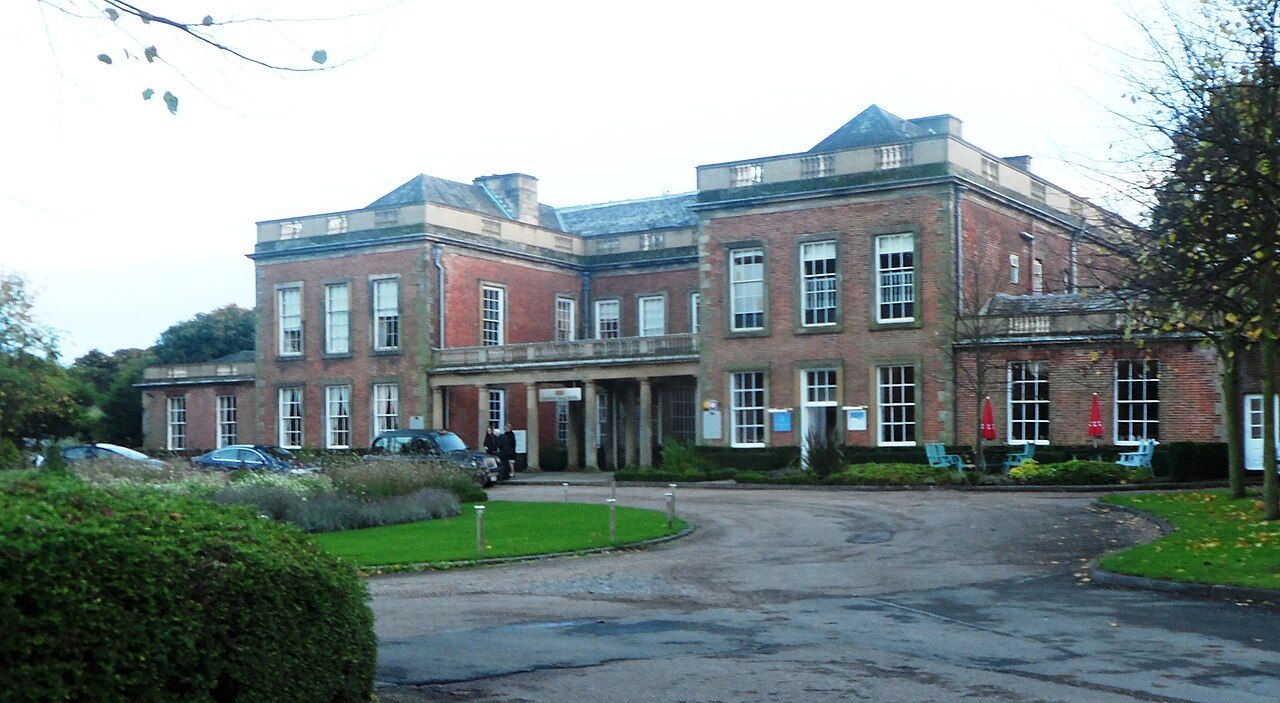
A Grade II* listed Georgian country house beside Nottingham racecourse, remodelled by John Carr in 1776 and attacked by Reform Bill rioters in 1831. Its ghost is said to be Mary Chaworth Musters, still hiding from the mob.
Check prices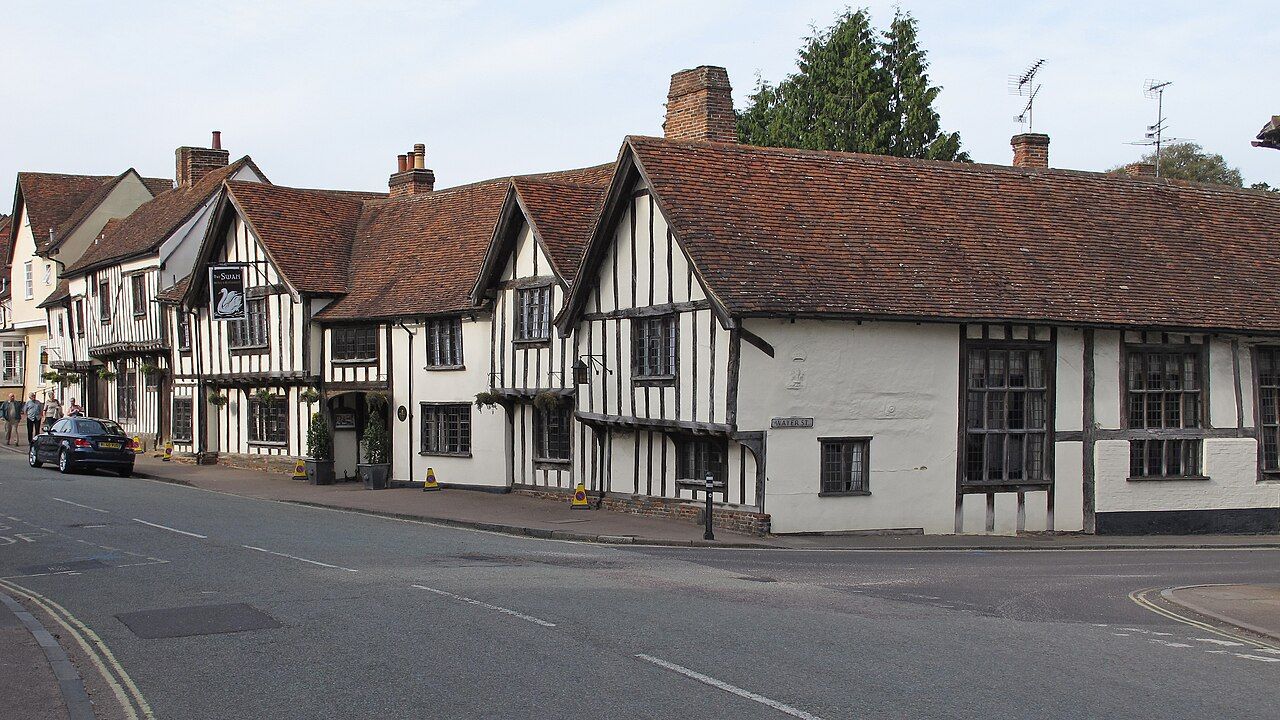
A cluster of medieval timber-framed houses in Lavenham, Suffolk, joined with a Grade I guild hall to make one hotel. American airmen signed the walls of its bar in the Second World War, and Room 15 has a ghost story.
Check prices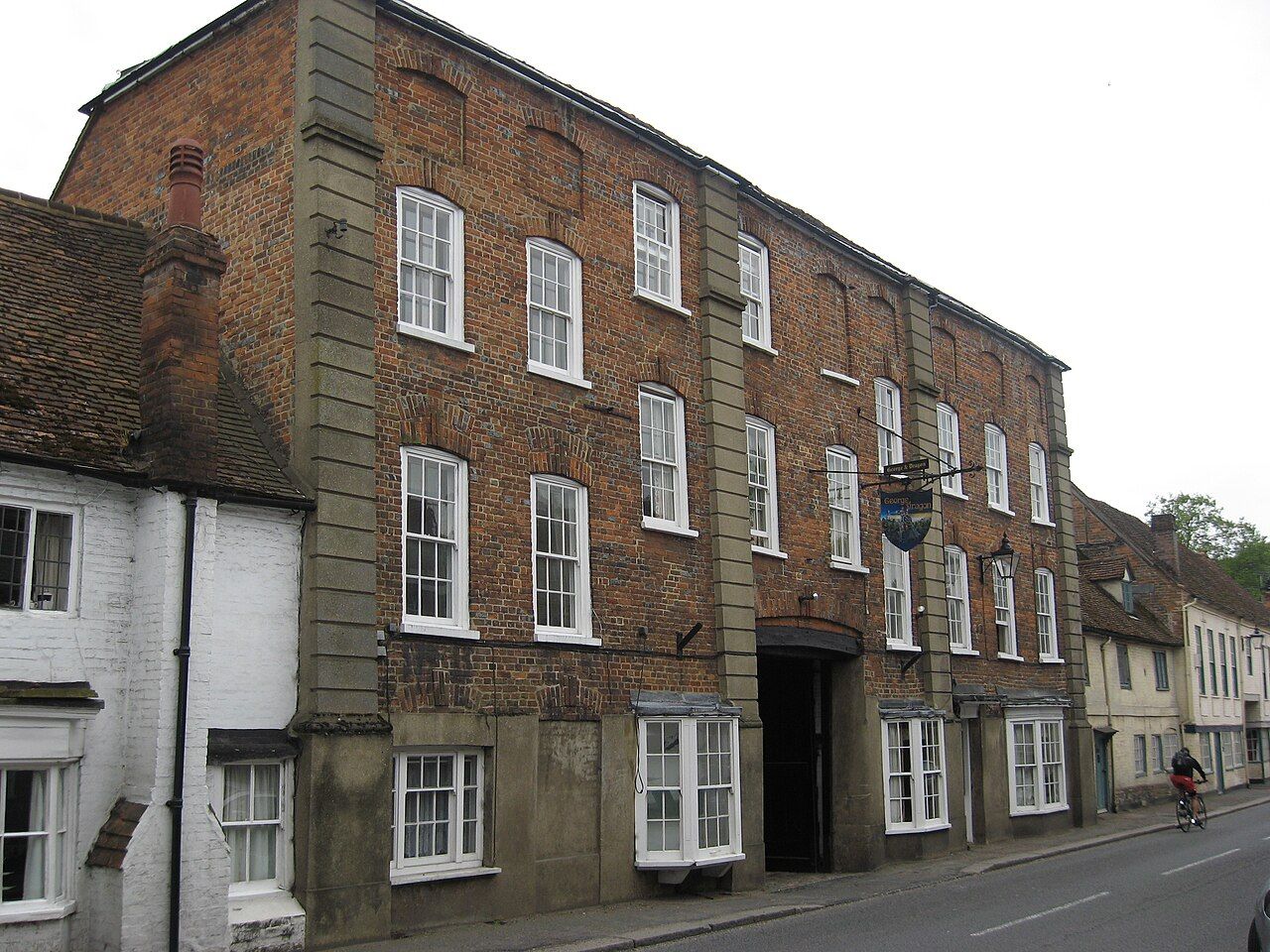
A Grade II listed coaching inn on West Wycombe's High Street, refronted about 1720, with ten bedrooms. Its ghost is Sukie, a servant girl said to have died after a cruel trick in the nearby caves.
Check prices